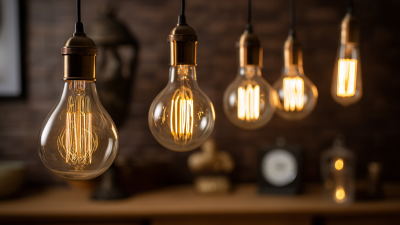


Choosing home lighting in 2026 is not just about choosing attractive fixtures. It means matching light to tasks, room size, surface colors, and the way people actually live. A kitchen island needs clear, focused light for chopping, while a bedroom benefits from softer, adjustable layers. The same bright ceiling fixture rarely serves both purposes well. Small details matter: a shaded lamp beside a reading chair, under-cabinet strips on a dim winter morning, or a warm bedside bulb after dark. These choices affect comfort as much as appearance.
Lighting designer Thomas E. Farin is often credited with saying, “Light is the first element of design; without it there is no color, form, or texture.” His point helps explain why a room can feel flat despite carefully chosen furniture. This guide explores ceiling lights, pendants, sconces, task lamps, and other home lighting options, room by room. It also considers layering, dimming, color temperature, and practical placement. Yet no chart can fully predict how light will feel in your home. Window direction, wall paint, and personal sensitivity change the result. A plan may look balanced on paper and still feel too bright at dinner. Use the recommendations as a starting point, then test bulbs and brightness in the actual room. The best choice is not always the trendiest one. Sometimes, it is simply the light you barely notice.
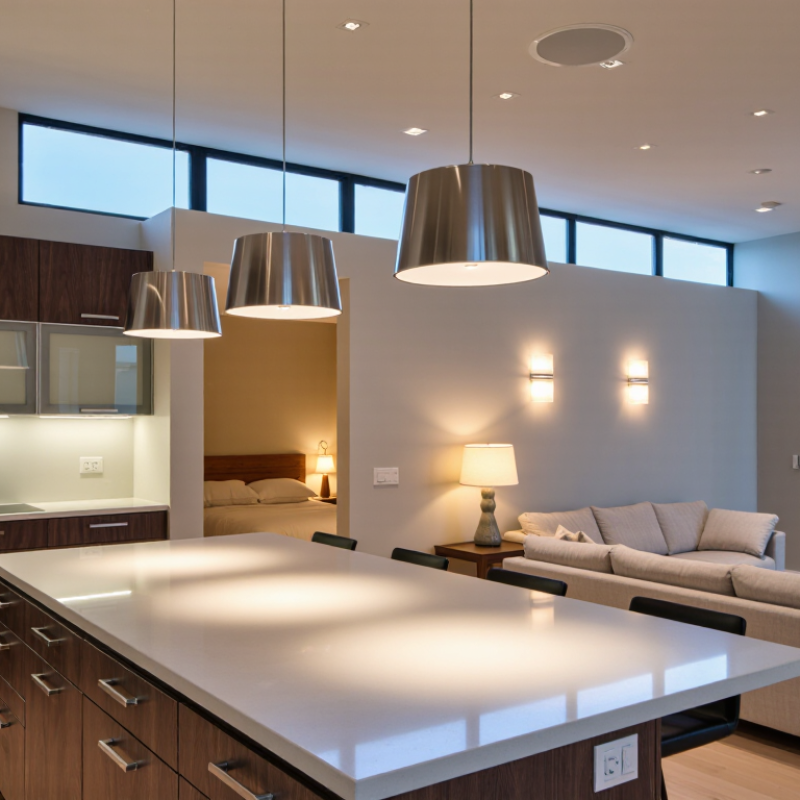
Home lighting is easiest to understand through two lenses: what a fixture does and how it produces light. By function, ambient lighting fills a room with general illumination, such as a ceiling fixture or several recessed lights. Task lighting directs brighter light toward work, reading, or food preparation. A desk lamp should illuminate the page without creating a harsh reflection on a screen. Accent lighting highlights details, like a framed picture or textured wall.
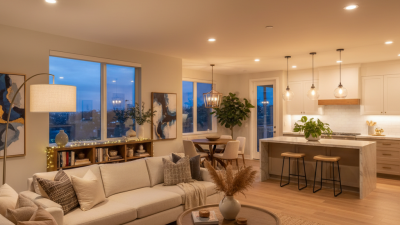
These roles often overlap. A pendant above a kitchen island may provide both general and task lighting, depending on its height and beam direction. Real rooms rarely fit perfectly into a chart. That neat division can mislead. Start with the task. Then consider how the room feels.
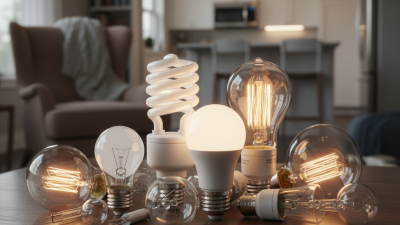
Light sources are a separate classification. LEDs are widely used because they offer varied color temperatures and can use less energy than many older options. Fluorescent sources provide broad, practical illumination, while halogen and incandescent lamps produce warm light but generally use more energy. Check the fixture’s compatibility, brightness, and color temperature before choosing a replacement. A cool-toned bulb over a bedside table can feel clinical; a warmer one may be more comfortable. Still, preference matters, and one color setting does not suit every room. A hallway needs visibility, while a reading corner benefits from focused light and softer surroundings.

Ambient lighting provides the room’s general layer. Ceiling fixtures, flush mounts, and recessed lights can spread illumination across floors and walls. A dimmer helps adjust brightness from morning routines to quiet evenings. Keep it comfortable. Very bright overhead light can create glare on polished counters or television screens, so placement matters as much as output.
Task lighting puts light where an activity happens. A desk lamp can reduce shadows on paperwork, while under-cabinet fixtures make chopping and reading recipe cards easier. In bathrooms, lights beside the mirror often show facial details more evenly than a single fixture above it. Aim the beam at the work surface, not directly into someone’s eyes. Small details count.
Accent lighting draws attention to selected features, such as a textured wall, bookcase, or framed print. Wall sconces and adjustable spotlights are common choices; a low-output strip can also soften a shelf’s edge. Use it sparingly. Too many bright accents compete for attention, and a dramatic effect may feel tiring after dark. Daylight is another useful layer: sheer curtains can soften strong window light, though cloudy afternoons still call for electric lighting. The right mix depends on room layout, surface colors, and how people actually use the space.
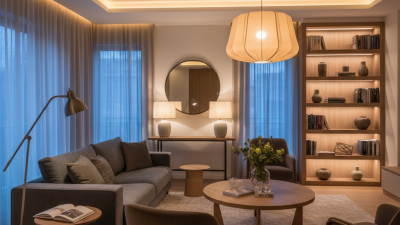
Living rooms work best with layered light: a ceiling fixture for general brightness, plus floor or table lamps near reading seats. Kitchens need brighter, focused task lighting over counters and sinks; a pendant above an island can add atmosphere, but should not cast shadows on food preparation. Dimmers help shift both spaces from busy daytime use to softer evening light. One overhead fixture alone can leave corners oddly flat.
In bedrooms, warm-toned bedside lamps support winding down, while a directed reading light keeps pages clear without flooding the room. Bathrooms benefit from even light around the mirror, which helps reduce harsh facial shadows, alongside suitable general lighting. Choose fittings rated for the damp conditions near showers.
The U.S. Department of Energy’s Energy Saver guide says LEDs use at least 75% less energy and last up to 25 times longer than incandescent lighting. Those figures are useful, though actual savings depend on use and the fixture.
Tips: Match brightness to the task, not just the room. Check bulb compatibility before choosing a dimmer, and test light placement at night; a neat plan on paper can still create glare in real life.
Room size, layout, and daily activities should guide lighting choices more than fixture trends. In a narrow hallway, a low-profile ceiling light keeps the path clear, while wall lights can soften harsh shadows. A small bedroom may need a warm bedside lamp instead of one bright overhead fixture. In open-plan rooms, separate lighting zones help a dining table feel distinct from a sofa area. Measure the room and note where people read, cook, or work. It sounds obvious, but I have seen beautiful fixtures leave the actual task in shadow.
The Illuminating Engineering Society’s Lighting Handbook treats recommended light levels as task-dependent, not one-size-fits-all. That matters at a kitchen counter, where detailed work needs focused light, unlike a relaxed lounge corner. The U.S. Department of Energy reports that LEDs use at least 75% less energy and last up to 25 times longer than incandescent bulbs. Efficiency helps, but it cannot fix poor placement or glare. I still get this wrong sometimes.
Tips: Put adjustable task lighting near desks and reading chairs. Use dimmers where activities shift during the day, and check bulbs from seated eye level for glare. In a long room, test lamps at both ends before buying matching fixtures.
In 2026, efficient home lighting starts with choosing the right brightness, not simply buying the lowest-wattage bulb. Lumens describe light output; watts describe energy use. An LED can illuminate a kitchen counter brightly while using much less electricity than an older incandescent bulb. For reading, a focused task light may avoid lighting an entire room. At the dining table, warmer light can feel calmer, especially in the evening.
Smart controls can reduce wasted energy, but only when their settings match real routines. A motion sensor in a hallway can switch lights off after people leave. In bedrooms, dimming controls make late-night trips gentler on the eyes. Schedules help. So does a manual switch. Wi-Fi outages happen, and a light should remain easy to use without an app. It is tempting to automate every room; sometimes that adds friction instead of comfort.
Safety deserves equal attention. Check that bulbs suit the fixture’s wattage limits, and use damp-rated fixtures in bathrooms or covered outdoor areas. LEDs run cooler than many older bulbs, but enclosed fixtures still need compatible products. Keep cords clear of rugs and walkways. For flickering lights, warm switches, or uncertain wiring, stop and contact a qualified electrician. Small details matter. I would also revisit smart schedules after a few weeks; a setting that saves energy on paper may not fit how a household actually uses a room.