What is Automotive Lighting and Why is It Important?
Automotive lighting plays a crucial role in vehicle safety and functionality. According to a 2021 report by the National Highway Traffic Safety Administration, about 50% of traffic accidents occur at night. Proper illumination is essential for visibility in low-light conditions. Effective automotive lighting not only enhances safety but also contributes to the aesthetics of vehicles.
Recent advancements in technology have transformed automotive lighting. LED systems are becoming the norm, offering better energy efficiency and longer lifespans. A market analysis by Research and Markets estimates that the global automotive lighting market will reach $29 billion by 2027, growing at a CAGR of 4.5%. This growth highlights the increased focus on innovative lighting solutions.
However, challenges remain. Some drivers may neglect the maintenance of their lighting systems, leading to reduced effectiveness. Regular inspections are vital for ensuring optimal performance. As automotive lighting technology continues to evolve, understanding its importance becomes increasingly necessary for both safety and compliance.
What is Automotive Lighting? An Overview of Its Functionality
Automotive lighting plays a critical role in vehicle safety and performance. It encompasses all lighting and signaling devices on a vehicle.
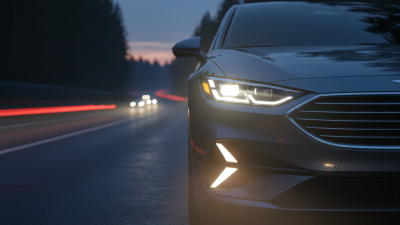
Headlights illuminate the road ahead, while taillights signal your presence to others.
Turn signals and brake lights communicate your intentions, reducing the risk of accidents.
So, understanding this functionality is key for safe driving.
Tips: Regularly check your lights. Replace dim or burnt-out bulbs promptly. It’s also essential to clean the lenses to ensure maximum visibility.
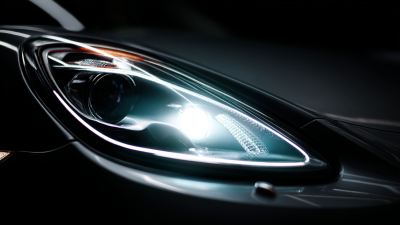
Automotive lighting has evolved significantly. LED technology enhances efficiency and lifespan compared to traditional bulbs.
However, not all bulbs are created equal. Choosing the right type for your vehicle is vital. Misunderstanding light types can lead to suboptimal performance on the road.
Tips: Consider the weather conditions in your area. In foggy or rainy environments, specific bulbs may offer better visibility.
Invest in high-quality bulbs that meet safety standards. This can sometimes make a difference in critical situations.
The Evolution of Automotive Lighting Technologies Over the Years
Automotive lighting has come a long way since the early days of incandescent bulbs. In the past, these basic lights provided minimal visibility. Drivers often faced challenges during nighttime driving. Today, advancements have introduced LED and laser technologies, enhancing visibility and safety.
The evolution of automotive lighting started with simple reflectors. As technology advanced, halogen lights emerged, offering brighter illumination. Now, we see adaptive lighting systems that adjust brightness and direction based on road conditions. This progress has made nighttime driving safer and more efficient.
**Tip:** Regularly check your vehicle’s lights. Ensure they are clean and functioning well. This simple step can significantly improve safety.
However, not all changes have been perfect. The introduction of LED lights, while beneficial, often raises questions about glare and compatibility with older vehicles. Understanding these nuances is essential for drivers considering upgrades.
**Tip:** Always evaluate your lighting needs before making changes. Consider where and how you drive most often. This can guide your choices effectively.
As lighting technology continues to progress, the focus remains on safety, efficiency, and adaptability. Embracing both new technologies and understanding their impacts is crucial for drivers today.
Evolution of Automotive Lighting Technologies
Importance of Automotive Lighting for Driver Safety and Visibility
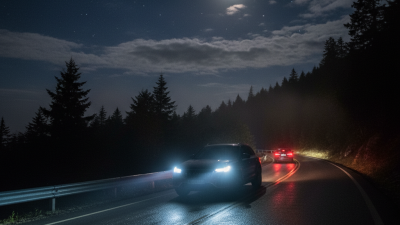
Automotive lighting plays a crucial role in ensuring driver safety and enhancing visibility on the road. Properly functioning headlights, taillights, and turn signals are vital for making a vehicle noticeable, especially during low-light conditions. When it comes to night driving, effective lighting allows drivers to see obstacles and potential hazards ahead. Poor visibility can lead to accidents, emphasizing the need for adequate lighting systems.
Moreover, the color temperature of headlights affects how well a driver can see at night. Warmer lights may yield a cozy feel but provide less clarity. Cooler lights, on the other hand, often enhance visibility and increase the chances of spotting dangers. It’s clear that not all lighting designs are created equal. Many drivers overlook the maintenance of their vehicle's lights until a problem arises.
Drivers should regularly check and replace burnt-out bulbs. Ignoring this simple task can compromise safety. Additionally, some vehicles might not have up-to-date lighting technology. Upgrading to more efficient systems can improve visibility remarkably, allowing for safer driving experiences. It's vital to understand that effective automotive lighting is an aspect not to be neglected.
What is Automotive Lighting and Why is It Important?
| Lighting Type |
Purpose |
Key Features |
Impact on Safety |
| Headlights |
Illuminate the road ahead |
Brightness, Beam pattern, Range |
Improves visibility and helps avoid accidents |
| Taillights |
Signal presence to other drivers |
Size, Color visibility, Response time |
Red signals caution; critical for rear-end collision safety |
| Turn Signals |
Indicate turning or lane changes |
Blink rate, Color, Positioning |
Reduces ambiguity for drivers; prevents accidents |
| Fog Lights |
Improve visibility in foggy or rainy conditions |
Low positioning, Wide beam |
Enhances visibility; reduces glare for oncoming traffic |
| Interior Lights |
Provide illumination inside the vehicle |
Dimming capability, Color temperature |
Increases comfort and allows for safer vehicle operation |
Impact of Automotive Lighting on Vehicle Aesthetics and Branding
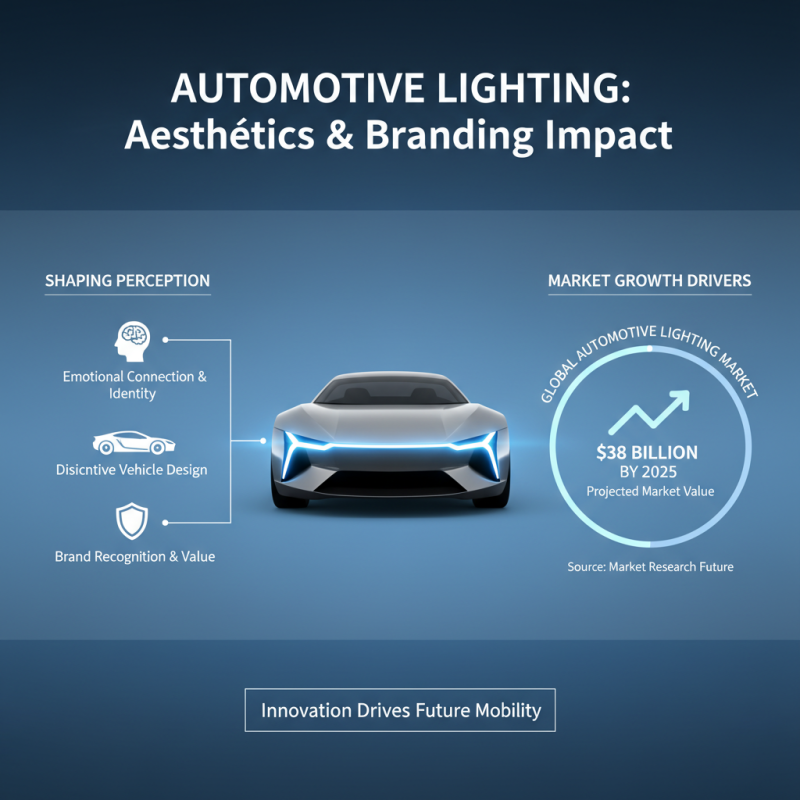
Automotive lighting plays a crucial role in vehicle aesthetics and branding. The choice of light design can influence customer perception significantly. According to a study by Market Research Future, the global automotive lighting market is projected to reach $38 billion by 2025. This growth underscores the importance of innovative lighting solutions.
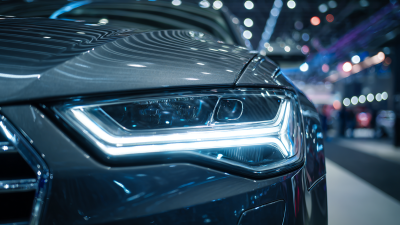
Design elements like LED headlights and unique light signatures can enhance a vehicle's look. For instance, vehicles with distinct headlights can be recognized at night. A study from the Institute of Transportation Engineers highlights that 75% of consumers view nighttime visibility as a critical factor when purchasing a vehicle. Poorly designed lights can detract from a vehicle’s aesthetic appeal and negatively affect the brand image.
Moreover, the emotional connection that consumers develop with vehicles is often tied to their lighting. Research indicates that modern, well-lit designs evoke positive emotions. However, inconsistent lighting styles across vehicle lines can confuse buyers and weaken brand identity. Car manufacturers must pay attention to this detail to maintain a strong market presence.
Future Trends in Automotive Lighting: Innovations and Sustainability
The automotive lighting industry is evolving rapidly. Innovations in technology are reshaping how vehicles illuminate the road. LED lights are now standard, offering longer lifespans and greater efficiency. However, challenges remain in achieving sustainable production. The materials used must not harm the environment. Manufacturers need strategies for proper disposal and recycling.
Adaptive lighting systems are another trend. These systems adjust based on driving conditions. They enhance visibility and safety for drivers and pedestrians alike. Yet, integrating these technologies can be complex. It requires significant investment and expertise. Not all manufacturers are ready to make that leap.
Sustainability is essential for the future. The industry's impact on the planet is under scrutiny. Efforts must focus on using renewable materials and reducing energy consumption. Collaboration among industry players is critical. Real change stems from shared goals and practices. The road ahead is challenging, but the potential rewards are significant.