What Are the Best Lighting Products in China?
Choosing the best lighting products in China is not simply a matter of finding the lowest price or brightest lamp. Buyers must compare light output, energy use, color quality, driver performance, product lifespan, and after-sales support. Small details matter. A high lumen rating may look impressive, yet poor glare control can make a workshop or kitchen uncomfortable.
The International Energy Agency’s Energy Efficiency 2023 report estimated that global energy-intensity improvement was about 1.3% in 2023, below the pace needed for climate goals. This wider efficiency challenge makes practical product comparisons important. For lighting products, check luminous efficacy in lumens per watt, color rendering index (CRI), color temperature, and stated lifetime. Ask suppliers for test reports, warranty terms, and clear specifications—not just a polished catalog. Context matters.
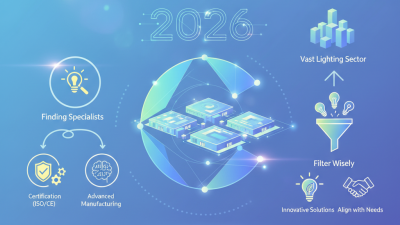
China offers a broad range of options, from LED bulbs and panels to industrial high-bays, outdoor fixtures, and smart controls. The “best” choice depends on the setting, installation conditions, and maintenance needs. A warehouse with high ceilings has different requirements from a bedside reading lamp. Certification and test documentation also deserve careful review, because claims can vary between brands and models. Not every product suits every project. This guide will compare leading categories and explain what buyers should verify before ordering. One limitation remains: specifications alone cannot reveal how a fixture performs in a real room, so independent testing and samples can be valuable.
Which Lighting Product Categories Are Made in China?
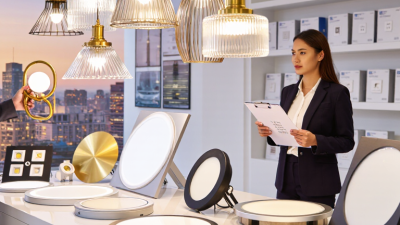
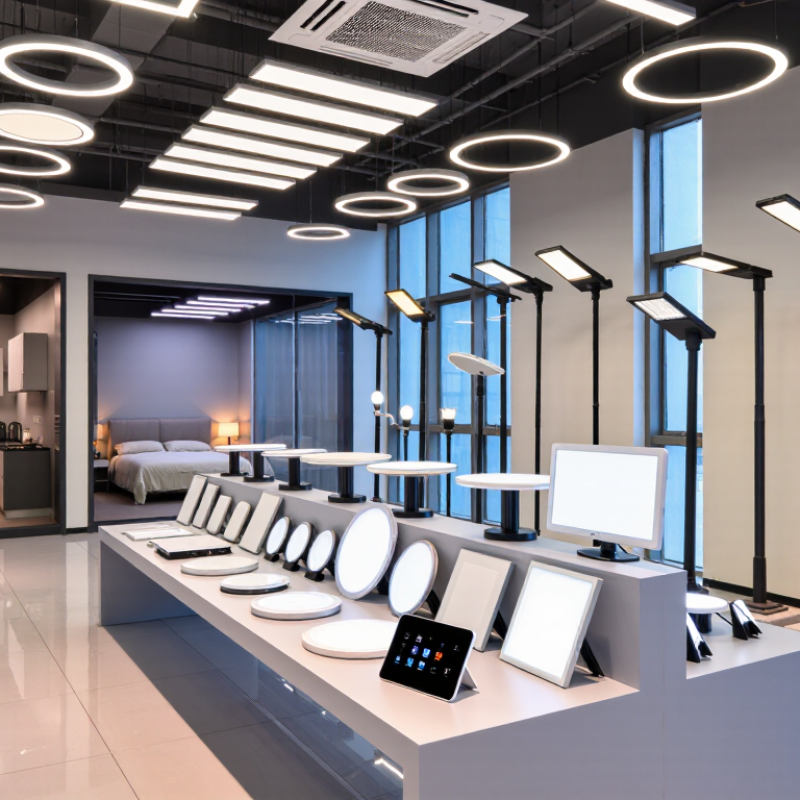
China produces a broad range of lighting products, from simple household fixtures to specialized commercial systems. Common categories include LED bulbs, ceiling lights, downlights, track lights, desk lamps, and decorative pendants. Many factories also make drivers, strips, panels, and replacement components. The mix varies by region and supplier. Plenty of choice.
For offices, shops, and warehouses, buyers can find linear fixtures, high-bay lights, emergency lights, and adjustable spotlights. Outdoor ranges often include garden lamps, floodlights, street fixtures, and weather-resistant wall lights. Solar-powered models are available too, though performance depends on battery capacity, panel size, and local sunlight. A compact sample helps reveal how a fixture looks and feels beyond its catalogue photo.
Smart lighting is another category, with products offering dimming, timers, sensors, or app-based controls. Check compatibility, light output, color temperature, and electrical specifications before comparing prices. A recurring weakness is vague product documentation; ask for clear test reports and installation instructions. Details matter. Inspect connectors, heat dissipation, and finish quality on samples. Specifications can still miss practical flaws, so test products under the conditions where they will be used.
What Are the Best Lighting Products in China?
China manufactures a broad range of lighting products, from everyday LED lamps to specialist outdoor fixtures and lighting components.
How to read this chart: Bars count illustrative product types listed for each category—not factories, sales, market share, or production volume. The best category depends on the application, such as residential, commercial, industrial, or outdoor use.
How Do China’s Main Lighting Technologies Differ?
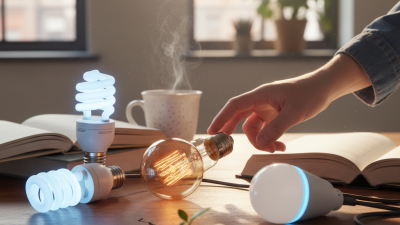
China’s lighting technologies differ in efficiency, heat, color quality, and suitable applications. LEDs dominate many new installations because they convert electricity efficiently and offer instant, controllable light.
The U.S. Department of Energy’s Energy Saver guidance says LEDs use up to 90% less energy and can last up to 25 times longer than incandescent lamps. Those figures are comparisons, not guarantees for every product.
Fluorescent lamps remain common in older offices and workshops; they generally cost less upfront but contain mercury and take time to reach full brightness. High-intensity discharge lamps produce powerful light for large spaces, though they often need warm-up time. OLED panels give broad, soft light, but cost and output can limit their use.
For a warehouse ceiling, high-bay LEDs can reduce energy use and simplify maintenance. A kitchen may need a different choice: check color rendering, glare, and whether the lamp dims smoothly.
Small details matter. A low price does not guarantee good light. Product labels should state lumen output, wattage, color temperature, and lifetime, while independent testing can help verify performance claims.
China’s suppliers offer all these technologies, but specifications vary between models and batches. I would compare measured performance rather than rely on the technology name alone; even an efficient LED can feel harsh in a poorly designed room.
Which Chinese Lighting Products Suit Different Applications?
Choosing Chinese lighting products by application is more useful than comparing wattage alone. For offices, schools, and shops, LED panels and downlights provide even illumination; check glare control, colour rendering, and driver flicker. The setting matters. A warm colour temperature can suit a hotel lounge, while neutral white often helps task areas feel clear.
Warehouses and factories usually need high-bay luminaires with sturdy housings and effective heat management. Outdoor roads and yards call for sealed fixtures, suitable impact resistance, and optics that direct light onto the ground rather than into nearby windows. Ask suppliers for test reports covering lumen output, efficacy, colour consistency, and ingress protection. A catalogue claim is not proof. Sample testing is sensible, though it adds time and cost.
For context, the U.S. Department of Energy’s 2019 Energy Savings Forecast of Solid-State Lighting projected that LED adoption could save
569 terawatt-hours annually by 2035
in the United States. That estimate is not a guarantee for every project, but it shows why efficiency deserves close attention.
Match the fixture to operating hours, ceiling height, maintenance access, and local conditions. Not just watts. A lower purchase price can still mean more frequent replacement; I would verify warranty terms and spare-driver availability before ordering.
What Quality and Safety Standards Should Buyers Check?
When sourcing lighting products in China, check the exact model against the standards required in its destination market. IEC 60598 covers luminaire safety, while IEC 62471 assesses photobiological risks, including exposure from bright LEDs. For products sold in China, ask whether applicable GB standards and China Compulsory Certification requirements apply; the answer depends on product type. Small details matter. Request certificates and test reports showing the model number, test laboratory, issue date, and scope. A certificate for a similar product is not proof that the item being purchased was tested.
Performance figures need evidence too. The U.S. Department of Energy’s 2020 Lighting Market Characterization reported that LEDs accounted for roughly 48% of installed lighting stock in the United States. That shift makes reliable performance data more important, not less. Ask for LM-80 and TM-21 documentation to support claims about LED package lumen maintenance, and check measured efficacy, color rendering, and flicker data for the complete luminaire. Confirm input voltage, frequency, surge protection, and IP rating match the installation. A tidy certificate folder can still leave gaps; I would verify samples independently, especially when a supplier’s datasheet gives unusually high efficiency or lifetime figures.
How Can Buyers Compare China’s Best Lighting Products?
Comparing lighting products from China starts with the job they must do.
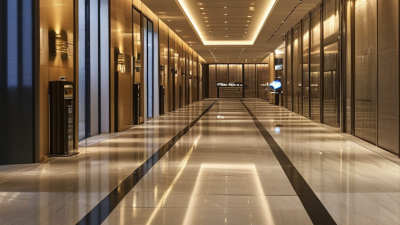
Start with the room, not the catalogue. A warehouse aisle needs controlled, even light; a hotel corridor may need warmer color and less glare. Ask suppliers for lumen output, power use, efficacy, color temperature, CRI, beam angle, and flicker data. Compare identical configurations, since a different driver or optic can change performance. Brightness alone misleads. Check that each test report identifies the exact model and options being quoted.
Request a sample and inspect its finish, wiring, heat, and startup behavior. Then test it in a similar space. Use a light meter at the working plane, and compare several points rather than one bright spot. Check dimming compatibility, ingress protection, warranty terms, replacement-part access, and production lead time. Ask how quality checks are recorded between batches. Small differences matter. A sample can look excellent, yet mass production may vary; this is easy to overlook. No single score captures value, so weigh measured performance against installation needs and long-term maintenance.