The Best 10 Tips for Site Lighting Design in 2026
In the realm of modern architecture and urban planning, effective site lighting is crucial. As we approach 2026, the role of lighting design has evolved significantly. Innovative technologies and design philosophies are reshaping how we illuminate spaces. Today’s site lighting must be functional, aesthetic, and sustainable.
The integration of smart lighting solutions is a key trend. These systems respond to their environment and user needs, enhancing safety and convenience. However, many professionals still struggle with balancing creativity and practicality in their designs. While cutting-edge technology aids this process, it can also complicate straightforward solutions.
Understanding local regulations is vital in site lighting design. Each region has its own rules, and overlooking them can lead to project delays. Reflection on past projects reveals that clear communication with stakeholders often leads to better outcomes. There is always room to improve and adapt. Emphasizing collaboration among designers, engineers, and clients can foster innovative solutions, ensuring that site lighting not only meets but exceeds expectations.
Understanding the Principles of Site Lighting Design for 2026
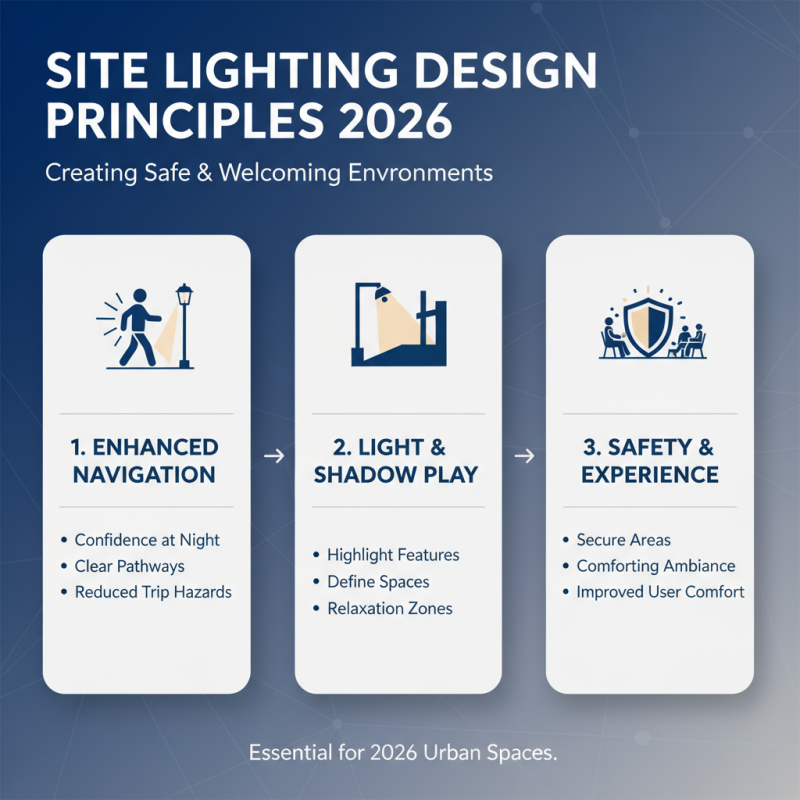
Site lighting design in 2026 is essential for creating safe and welcoming environments. Understanding the principles behind effective lighting can greatly enhance user experience. A well-lit space allows people to navigate confidently at night. Consider the interplay of light and shadow. This balance can draw attention to features or create areas for relaxation.
When designing site lighting, think about human behavior. People are instinctively attracted to well-lit areas. Paths should be bright enough without causing glare. Light levels should vary, with some areas illuminated brightly and others dimmer. This variety can influence mood and interaction. Remember, the color temperature of the lights impacts perception. Warmer light creates a cozy ambiance, while cooler tones can elevate energy.
While creating designs, reflect on the potential impact of lighting on animals and the environment. Excessive brightness may disrupt local wildlife. Finding a balance between aesthetics and ecological responsibility is crucial. Continuous evaluation of choices will lead to better outcomes. Lighting design is an evolving field, where new technologies and methods can enhance our understanding and implementation.
Essential Factors in Choosing Lighting Fixtures for Outdoor Spaces
When choosing lighting fixtures for outdoor spaces, several essential factors come into play. First, consider the purpose of the space. Is it for security, ambiance, or functionality? Different areas may require distinct lighting styles. Pathway lights differ from spotlighting trees or accenting architectural elements. Understanding these needs is key for effective design.
Light color and intensity are crucial. Cooler temperatures can create a modern feel, while warmer lights evoke coziness. However, not every fixture is suitable for every landscape. A bright floodlight may overwhelm a garden, while dim fixtures might fail to illuminate walkways adequately. Balancing aesthetics with practical use requires attention to detail.
Durability cannot be overlooked in outdoor settings. Fixtures must withstand weather conditions and resist corrosion. The materials selected should be reliable for long-term use. This challenge often leads designers to make compromises between style and endurance. Realizing that no single solution fits all will lead to continuous improvements in design choices. Each project offers a chance for reflection and growth.
The Best 10 Tips for Site Lighting Design in 2026
Innovative Technologies in Site Lighting: Trends to Watch
As we approach 2026, the landscape of site lighting design is rapidly evolving. Innovative technologies are at the forefront, reshaping how we approach outdoor illumination. According to a recent report by the International Energy Agency, LED technology has reduced energy consumption in lighting by approximately 70% over the past decade. This trend will continue, with smart lighting systems integrating IoT capabilities projected to dominate the market.
The use of adaptive lighting is gaining traction. These systems adjust brightness based on real-time data, such as pedestrian traffic and ambient light conditions. A study by the National Renewable Energy Laboratory highlights that such systems can lead to a 40% reduction in energy use. However, the reliance on technology poses challenges. Unforeseen bugs in smart systems can result in reliability issues. Design teams must ensure that user experience remains seamless.
Furthermore, sustainability remains a critical focus. Biodegradable materials and solar-powered fixtures are becoming more common. Researchers suggest that incorporating renewable energy sources into site lighting can cut carbon footprints significantly. Yet, balancing innovation with practicality is vital. Designers must constantly evaluate whether high-tech solutions truly meet site needs or if they complicate the basic purpose of lighting design. These reflections are essential to creating effective, sustainable lighting solutions in the years to come.
Creating Energy-Efficient Lighting Designs for Sustainability
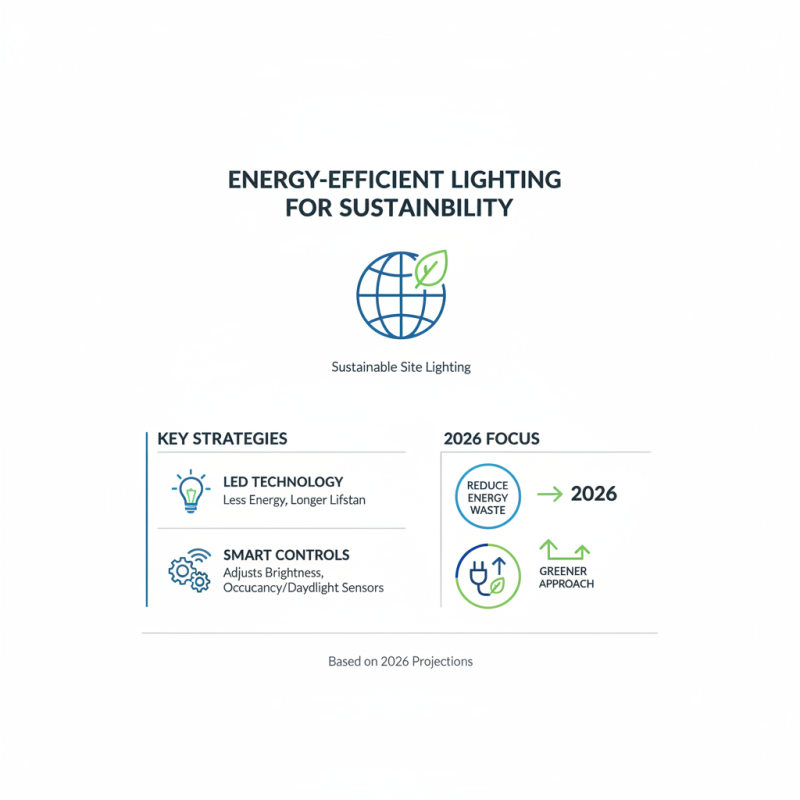
In 2026, energy-efficient lighting design is crucial for sustainable site lighting. Utilizing LED technology remains a key strategy. These lights consume less energy and have a longer lifespan. Integrating smart controls can further enhance efficiency. These systems adjust brightness based on occupancy and natural light levels. This reduces energy waste and promotes a greener approach.
Natural light should be a significant consideration. Designing spaces to maximize daylight reduces reliance on artificial lighting. Strategically placed windows and skylights can illuminate interiors effectively. However, over-reliance on daylight may lead to glare or uneven lighting. Balancing artificial and natural sources requires thoughtful planning.
It's important to consider the environmental impact of lighting fixtures. Materials should be sustainable, promoting recyclability. Concerning light pollution, carefully chosen designs will minimize unnecessary illumination. Reflecting on these aspects aids in achieving truly sustainable lighting. Effective designs can lead to beautiful, functional spaces that promote well-being.
Enhancing Safety and Security through Effective Site Lighting Strategies
Effective site lighting is crucial for enhancing safety and security. Adequate illumination deters potential threats and helps people navigate spaces confidently. A strategic approach can significantly impact how individuals interact with their environment.
Consider the use of motion-activated lights. They provide instant visibility when someone approaches an area, creating a heightened sense of awareness. Placement of lights in darker corners can eliminate hiding spots. Brightness matters, but so does uniformity. Avoid overly bright spots next to darkness; this creates shadows that can be intimidating.
Making choices based on specific site characteristics adds value. Analyze high-traffic areas where increased visibility is essential. Reflect on seasonal changes too. In winter, shorter days demand improved lighting solutions. Regular audits of lighting conditions can identify zones needing adjustment. Engagement with the community can also inspire new ideas, as residents may spot weaknesses others overlook.