What is a Bulb Light and How Does It Work?
Bulb lights are an essential part of modern life. These devices illuminate our homes and workplaces. But have you ever wondered how they work? A bulb light converts electricity into light through a simple yet fascinating process. It is not just a source of brightness; it plays a role in our mood and productivity.
Different types of bulb lights exist, each with unique features. Incandescent bulbs create a warm glow, while LED bulbs are energy-efficient. However, many people are unaware of the mechanics behind these lights. Misunderstanding can lead to poor choices in lighting.
As we rely on bulb lights, it is essential to reflect on energy consumption. Are we making the best choices for sustainability? We must consider our impact on the environment. Even small changes in our lighting habits can lead to significant benefits. Explore the world of bulb lights with curiosity and awareness.
What is a Bulb Light and Its Historical Evolution in Illumination
The evolution of bulb lighting is a fascinating journey through time. It begins in the early 19th century with the advent of the incandescent bulb. This invention drastically changed how people illuminated their homes and streets. In the United States, the Edison Electric Light Company reported that by 1882, over 3,000 lamps were installed in New York City. This marked a significant shift from gas lighting to electric illumination.
Fast forward to the 20th century, fluorescent bulbs emerged as a more energy-efficient solution. According to the U.S. Department of Energy, fluorescent bulbs use about 75% less energy than traditional incandescent bulbs. This shift not only reduced electricity bills but also addressed growing environmental concerns. Yet, challenges remained. The lifespan of fluorescent bulbs is limited, and they contain small amounts of mercury, raising disposal issues.
Now, LED technology leads the way in sustainable lighting. Industry reports indicate that LED lights consume up to 85% less energy than incandescent options. However, some people find their light too harsh. The transition to LED presents a dilemma; balancing energy efficiency with user satisfaction is crucial. The history of bulb lighting reveals a complex interplay between innovation and consumer needs, constantly pushing the boundaries of illumination.
Historical Evolution of Bulb Light Technology
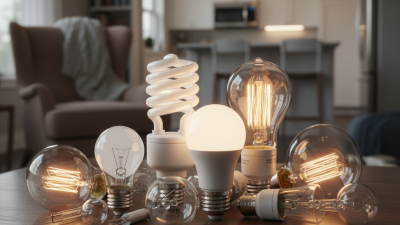
Types of Bulb Lights: Incandescent, Fluorescent, and LED Explained
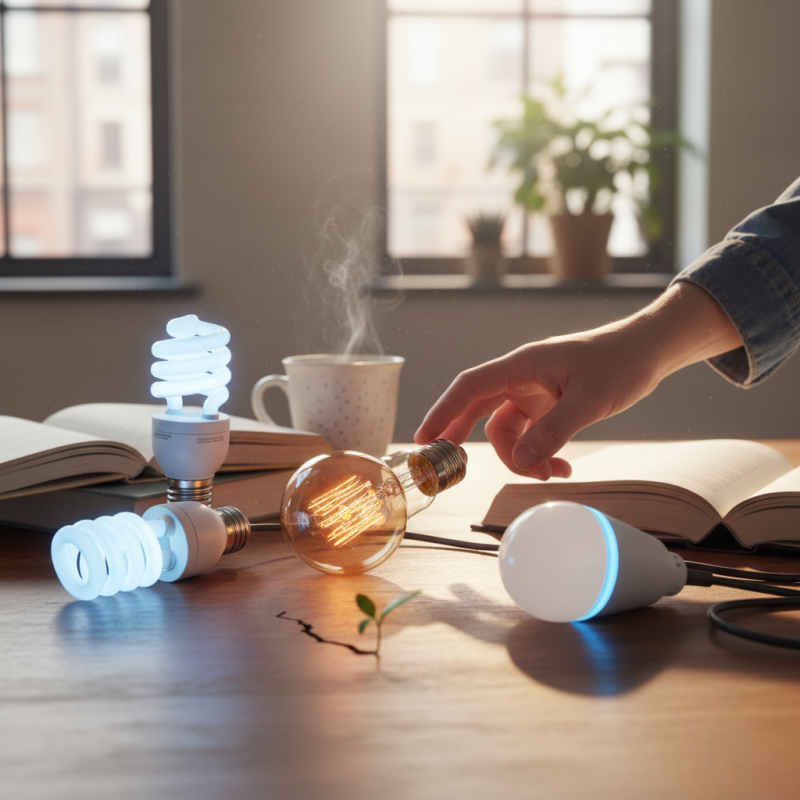
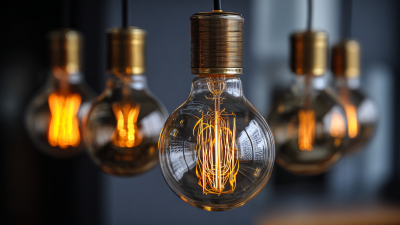
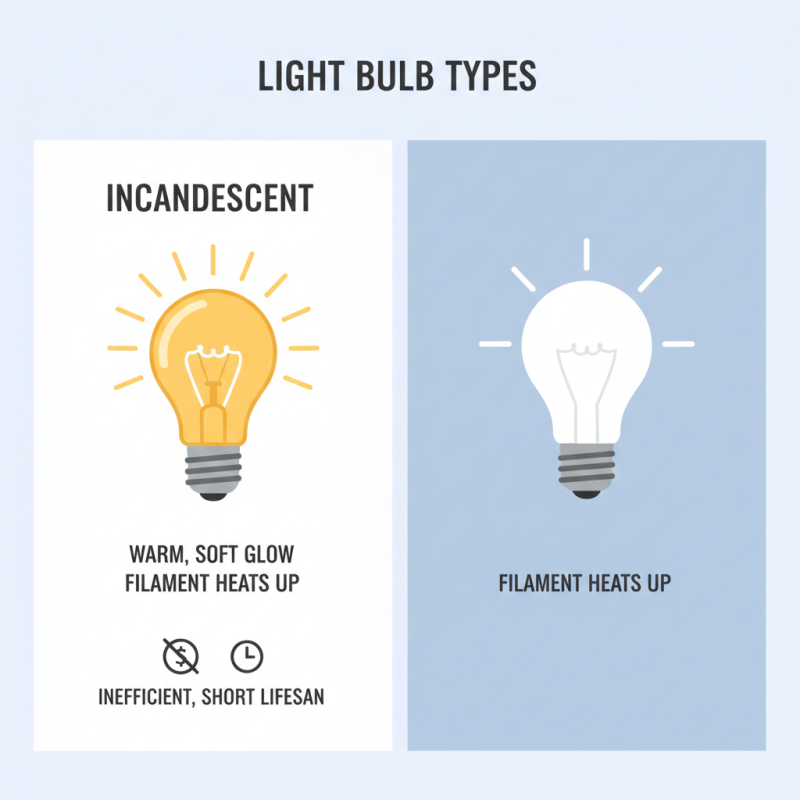
Bulb lights come in various types, each with distinct characteristics. Incandescent bulbs are traditional and widely recognized. They emit a warm, soft glow. These bulbs consist of a filament that heats up when electricity passes through it. While they create a pleasant atmosphere, they are energy inefficient and have a shorter lifespan.
Fluorescent bulbs utilize a different mechanism. They contain gas and a small amount of mercury. When electricity is applied, it excites the gas, producing UV light. This light then interacts with a coating inside the bulb, creating visible light. Although they are more energy-efficient, they can take time to reach full brightness.
LED bulbs are the newest innovation. They use semiconductor technology to produce light. LEDs are compact, highly efficient, and long-lasting. They consume less energy and generate minimal heat. This makes them a preferred choice for eco-conscious consumers.
**Tips:** Consider the brightness needed for your space. Warm white light is cozy for living rooms, while cooler light is better for workspaces. Remember, bulb colors can affect mood! Be mindful of your choices, as they can influence your daily life. Experiment with different types to find what suits you.
The Science Behind Bulb Light: How Electricity Converts to Light
Electricity powers our lives. Understanding how it turns into light is fascinating. When electricity flows through a conductor, it faces resistance. This resistance generates heat. In a traditional incandescent bulb, this heat makes a filament glow. The filament reaches high temperatures and emits light. However, about 90% of the energy converts to heat, not light. This inefficiency invites concerns.
In contrast, LED technology emerged as a game-changer. Reports from industry experts indicate that LEDs convert more than 80% of electrical energy into light. This efficiency revolutionizes our approach to lighting. Additionally, the lifespan of these bulbs can exceed 25,000 hours, vastly outlasting traditional options. Yet, the upfront cost can be higher, which discourages some consumers.
Interestingly, even with better options, many still favor older bulbs. A recent survey revealed that nearly 30% of people still use incandescent lighting, often due to habit. The combination of energy efficiency and initial investment creates a dilemma for consumers. As society pushes for sustainability, understanding these dynamics becomes increasingly crucial.
Energy Efficiency of Bulb Lights: Comparing Lumen Output and Wattage
Bulb lights have become popular for their energy efficiency. When comparing lumen output and wattage, the difference is striking. Lumens measure brightness. Wattage indicates energy consumption. A typical incandescent bulb might use 60 watts for around 800 lumens.
In contrast, LED bulbs often provide the same brightness using only 10-15 watts. This significant reduction leads to lower energy bills over time. However, not all bulbs are created equal. Some LEDs may produce less light than expected, leaving consumers disappointed. Checking the label for lumen output can help in making better choices.
Understanding how to use bulb lights effectively is essential. Dimmer switches can impact their performance. Some LED bulbs don't work well with dimmers, resulting in flickering. Users may find themselves needing to replace bulbs more often than anticipated, which can be frustrating. Evaluating light needs and being aware of specifications can improve satisfaction with lighting choices.
Common Applications and Innovations in Bulb Lighting Technology
Bulb lighting technology has evolved significantly over the years. Today, LED bulbs dominate the market. They are energy-efficient and have a longer lifespan compared to traditional incandescent bulbs. According to a report from the U.S. Department of Energy, LED bulbs use about 75% less energy. This data emphasizes the growing trend towards sustainability in lighting.
Common applications of bulb lighting include homes, offices, and outdoor spaces. In residential settings, LED bulbs can reduce electricity bills by up to 80%. This financial incentive drives many homeowners to make the switch. However, challenges remain. Not all LED products provide the same quality of light. Some emit a harsh, cold glow that many find unappealing. Finding the right balance between efficiency and comfort is crucial.
Innovations in bulb technology continue to emerge. Smart lighting systems allow users to control bulbs through mobile apps. These systems can adapt to individual preferences and schedules. Yet, they also raise privacy concerns. As homes become smarter, the potential for data misuse increases. This dual-edged sword highlights the need for responsible innovation in the lighting industry.
What is a Bulb Light and How Does It Work? - Common Applications and Innovations in Bulb Lighting Technology
| Type of Bulb |
Average Lifespan (hours) |
Energy Efficiency Rating |
Common Applications |
Recent Innovations |
| Incandescent |
1,000 |
F |
Residential Lighting, Decorative Fixtures |
Eco-friendly variants |
| LED |
15,000 - 50,000 |
A+ |
Commercial, Residential, Automotive |
Smart lighting integration |
| CFL (Compact Fluorescent Lamp) |
7,000 - 15,000 |
B |
Home and Office Lighting |
Dimmable options, improved color rendition |
| Halogen |
2,000 - 4,000 |
D |
Track Lighting, Vehicle Lights |
Improved brightness and compact designs |
| Smart Bulbs |
15,000+ |
A+ |
Home Automation, Security |
Voice control, customizable lighting schemes |