How to Choose the Best Lighting Fixtures for Your Needs?
Choosing the right lighting fixtures can significantly impact the ambiance of your space. Renowned lighting designer, Emily Carter, states, “The right fixture can transform a room from ordinary to extraordinary.” Her insights reflect the essence of selecting appropriate lighting that suits both function and style.
Lighting fixtures come in various styles, shapes, and sizes. Each choice can affect mood and functionality. It's not just about illumination; it's about creating an experience. Many people overlook the importance of scale and proportion while selecting fixtures. A large chandelier can overpower a small room, while tiny sconces may get lost in spacious areas.
Consider also the types of bulbs used in your fixtures. LED versus incandescent can change not only brightness but also the warmth of the light. Don’t forget to factor in energy efficiency. It can save money long-term. Making a decision can feel overwhelming. Weighing personal preferences against practical needs often requires reflection. Ultimately, the right lighting fixtures should enhance your living experience while aligning with your aesthetic vision.
Understanding Your Lighting Needs: A Comprehensive Guide
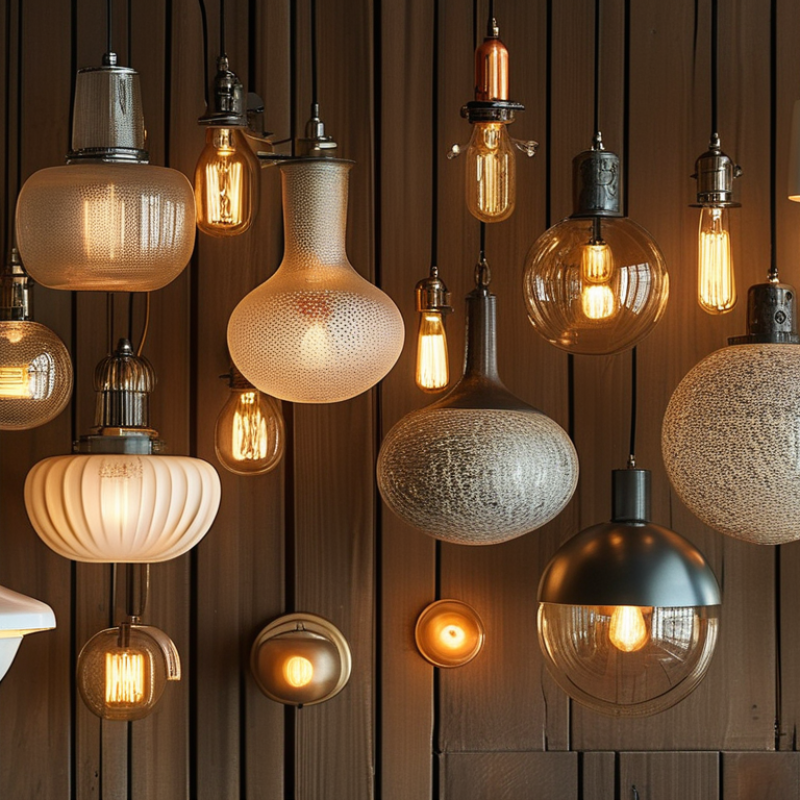
Understanding your lighting needs is essential for creating the perfect atmosphere in your space. Begin by evaluating the purpose of each room. For instance, bright lights work well in workspaces, while softer lighting can enhance relaxation in bedrooms. Consider how natural light enters your home. Rooms with ample sunlight may require different fixtures than darker spaces.
When choosing fixtures, think about the size and scale. A small room with low ceilings may feel crowded with large chandeliers. Similarly, a vast dining area may seem lifeless with too few fixtures. Layering light can achieve the right balance. Combine ambient, task, and accent lighting to create depth and dimension in your rooms. Choosing the right lamp shade colors can also significantly affect the mood.
While aesthetics are important, energy efficiency should not be overlooked. Look for LED options that provide durability and low energy consumption. This can help lower your electric bills. However, functionality should take precedence. Sometimes a beautiful fixture doesn’t provide sufficient light for the intended space. Reflect on your choices to ensure you pick fixtures that deliver both style and practicality.
How to Choose the Best Lighting Fixtures for Your Needs?
| Lighting Type |
Best Use |
Color Temperature (Kelvin) |
Energy Efficiency |
Average Lifespan (Hours) |
| LED |
General lighting, task lighting |
2700K - 6500K |
Highly efficient |
15,000 - 50,000 |
| Incandescent |
Ambient lighting |
2700K |
Low efficiency |
1,000 - 2,000 |
| Fluorescent |
Office lighting, workshops |
3000K - 6500K |
Moderately efficient |
7,000 - 15,000 |
| Halogen |
Accent lighting, kitchens |
3000K |
Moderate efficiency |
2,000 - 4,000 |
| Smart Bulbs |
Customizable lighting |
2700K - 6500K |
Highly efficient |
15,000 - 50,000 |
Types of Lighting Fixtures: Choosing Between Ambient, Task, and Accent
When selecting lighting fixtures, understanding the types is crucial. Ambient lighting provides overall illumination and sets the mood. It can come from ceiling lights or wall fixtures. A report by the U.S. Department of Energy indicates that about 75% of residential lighting is categorized as ambient. This form creates a warm, inviting space but may lack brightness for specific tasks.
Task lighting serves a functional purpose. It is designed for activities like reading or cooking. Proper task lighting can reduce eye strain and increase productivity. According to the American Society of Interior Designers, effective task lighting can enhance focus by up to 25%. It’s essential to choose fixtures that direct light where it's needed most.
Accent lighting adds visual interest and draws attention to specific features. This includes artwork or architectural designs. While it’s often overlooked, it plays a significant role in home aesthetics. However, improper placement can lead to shadows or an uneven light distribution. Understanding how to balance these three types of lighting is vital for creating functional and attractive spaces.
Evaluating Fixture Style: Matching Aesthetics to Your Space
When choosing lighting fixtures, style plays a crucial role. It needs to align with your space's aesthetics. According to a recent survey, 70% of homeowners prioritize design over functionality. A fixture should complement your decor while providing adequate illumination.
Consider your room's theme. For instance, modern spaces benefit from sleek, minimalist designs. These fixtures often use integrated LED technology. Findings from the Lighting Research Center indicate that well-placed lighting can boost mood and productivity. In contrast, vintage styles may enhance a cozy atmosphere in traditional homes.
Evaluate your color scheme too. Warm tones work well with rustic fixtures, while cool shades suit contemporary styles. Visualizing your choice helps in making the right decision. Experiment with different combinations. Some may find mismatched styles intriguing; others might need more coherence. Be aware of the balance between aesthetics and functionality. It's not uncommon to find fixtures that look great but don’t perform well. Such observations encourage a thoughtful approach.
Important Considerations for Energy Efficiency and Bulb Types
Choosing the right lighting fixtures involves considering energy efficiency and bulb types. According to the U.S. Department of Energy, lighting accounts for about 15% of a home's electricity use. Selecting efficient options can significantly reduce this cost.
LED bulbs are typically the best choice for energy efficiency. They consume up to 75% less energy and last 25 times longer than traditional incandescent bulbs. However, many consumers still hesitate due to initial costs. This hesitation can be misleading. An LED bulb may cost more upfront, but the savings on energy bills add up. It's also essential to consider the color temperature of bulbs. A warmer light may create a cozy atmosphere, while cooler temperatures can enhance workspaces.
Compact fluorescent lamps (CFLs) are another energy-saving option. They use about 70% less energy than incandescent bulbs. However, they contain a small amount of mercury, which poses environmental concerns. Visitors often overlook such details when shopping. The long-term benefits of energy-efficient bulbs are clear, yet many still default to traditional options due to habit or lack of information. Balancing usability and energy efficiency remains a personal endeavor for many homeowners.
Installation and Maintenance Tips for Long-Lasting Performance
Installing lighting fixtures involves several critical steps to ensure long-lasting performance. Start by choosing fixtures that match your existing decor and lighting needs. Consider location; overhead fixtures work well in kitchens, while wall sconces may suit hallways. Always check that the electrical connections are secure. Poor connections can cause flickering or short circuits.
Regular maintenance is key to extending the life of your lighting. Dust and debris can accumulate, reducing brightness and efficiency. Clean the fixtures gently with a soft cloth. Check bulbs periodically to replace any that are burnt out. This simple task can significantly enhance your home's ambiance.
Be mindful of energy consumption. Choosing energy-efficient bulbs can reduce costs and benefit the environment. However, it’s essential to balance efficiency with brightness to achieve the desired effect. Reflect on your current lighting situation. Are there areas that need brighter fixtures? Addressing these problems improves functionality and comfort in your space.