How to Choose the Best Lighting Sources for Your Home?
Selecting the right lighting sources for your home is crucial. According to the U.S. Department of Energy, lighting accounts for about 15% of the average household’s energy use. Choosing efficient sources can significantly impact energy consumption. With the rise of smart technology, modern homeowners have a spectrum of options to explore.
However, many people overlook the emotional and functional aspects of lighting. A study published by the Illuminating Engineering Society suggests that 80% of respondents feel that lighting affects their mood and productivity. Proper lighting can enhance a home's aesthetics and functionality, influencing how we interact with our spaces. That said, making choices can be overwhelming.
Moreover, not every source suits every room. Task lighting is vital for workspaces, while ambient lighting creates warmth in gathering areas. This sometimes leads to mismatched choices, dim environments, or excessive brightness. Recognizing these factors is essential for achieving the perfect balance in your home. Investing time in understanding lighting sources will pay off in comfort and efficiency.
Understanding Different Types of Lighting Sources for Home Use
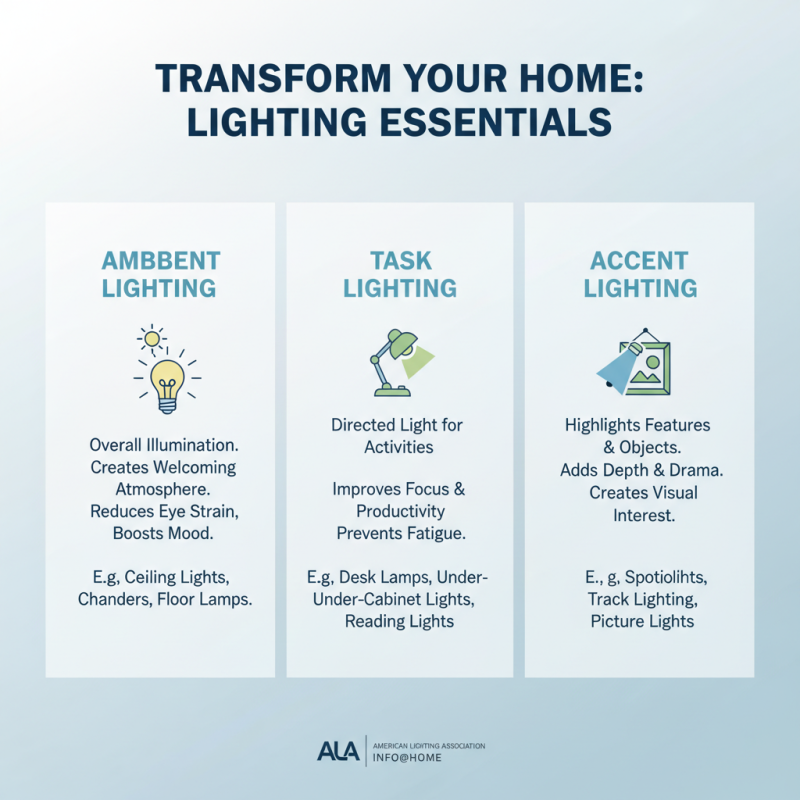
Choosing the right lighting sources can transform a home. Understanding different types of lighting sources is essential. There are three primary categories: ambient, task, and accent lighting. Ambient lighting provides overall illumination. It helps create a welcoming atmosphere. According to the American Lighting Association, proper ambient lighting can reduce eye strain and improve mood.
Task lighting serves specific purposes. It’s ideal for reading, cooking, or studying. This type of lighting should be bright enough to eliminate shadows. For instance, a desk lamp or under-cabinet lights can enhance functionality and safety. Studies show that well-lit workspaces can increase productivity by up to 20%.
Accent lighting highlights particular features. It can showcase artwork or architectural details. However, many overlook its importance. Poorly placed accent lights can create unwanted glare or shadows. The right placement can enhance the visual appeal of any room. Balancing these three types of lighting is key. A thoughtful arrangement can make spaces feel more inviting. Understanding personal needs and styles is crucial for effective design.
Evaluating Natural Light vs. Artificial Light in Your Space
Natural light brings a unique warmth to any room.
Sunlight enhances colors and creates an inviting atmosphere. According to the American Society of Interior Designers,
well-lit spaces can improve mood and productivity. Natural light also benefits health by regulating circadian rhythms.
Some studies suggest that exposure to daylight can increase energy levels by up to 15%.
However, most homes rely on artificial light, especially at night.
Artificial sources need careful consideration. Different types of bulbs emit various qualities of light.
Warm white LEDs can mimic daylight, but they often lack the spectrum of true sunlight.
A report from the International Energy Agency shows that energy-efficient lighting
can reduce electricity use by as much as 75% when properly utilized.
Finding balance is crucial. Too much artificial light can produce glare and cause eye strain.
Conversely, relying only on natural light may lead to dark corners and discomfort.
Evaluate your space. Look for spots that feel dull or overly bright.
Adjust your light sources accordingly. Aim for a mix that enhances functionality and ambiance in your home.
Identifying Key Areas of Your Home That Require Lighting
Identifying the key areas of your home that require lighting is essential for functionality and ambiance. Start with the kitchen. This space needs bright, focused lighting for cooking. Consider installing under-cabinet lights for better visibility. Don’t overlook dark corners or areas where shadows can hide potential hazards.
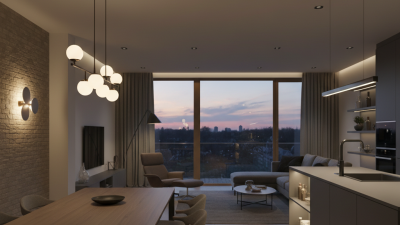
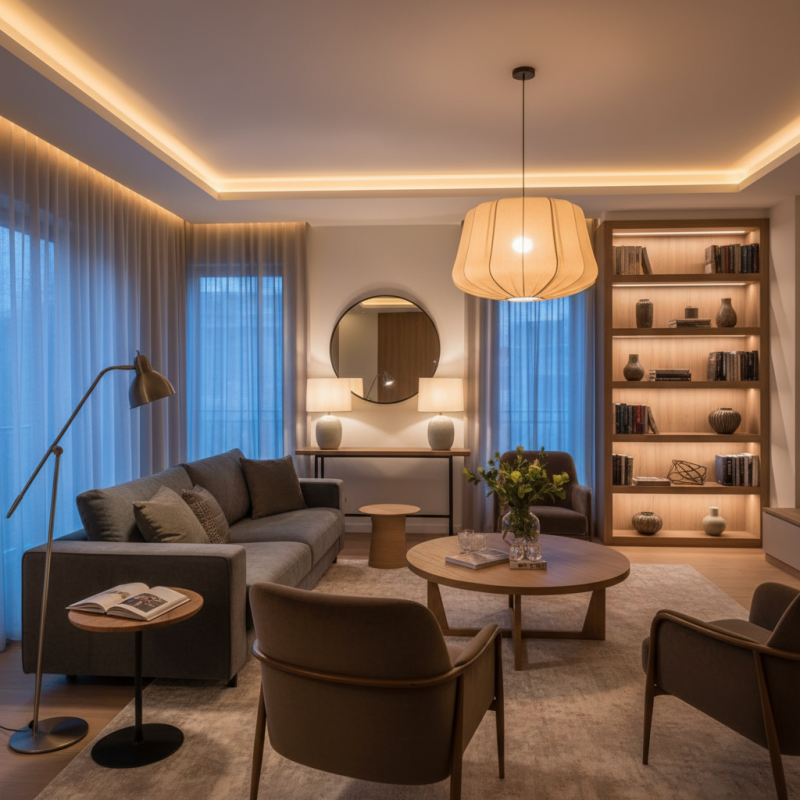
The living room is another important area. Here, a mix of ambient and task lighting creates a cozy atmosphere. Use floor lamps to brighten up reading spots. Remember to adjust lighting based on activities. It’s okay to have some dark areas. It adds depth and mood.
In bedrooms, soft, warm lighting invites relaxation. Use table lamps on nightstands for convenience. Think about the effect of different light temperatures. Sometimes, a little too much brightness can feel harsh and unwelcoming. Reflect on how you use these spaces. Adjustments can lead to a more balanced and inviting home.
How to Choose the Best Lighting Sources for Your Home?
| Key Areas |
Recommended Lighting Type |
Brightness Level (Lumens) |
Color Temperature (Kelvin) |
| Living Room |
LED Floor Lamps |
1,500 - 3,000 |
2700K - 3000K |
| Kitchen |
Under-Cabinet Lighting |
3,000 - 5,000 |
3000K - 4000K |
| Bedroom |
Table Lamps |
800 - 2,000 |
2700K - 3000K |
| Home Office |
LED Desk Lamps |
1,000 - 2,000 |
4000K - 5000K |
| Bathroom |
Vanity Lighting |
1,500 - 3,000 |
3000K - 4000K |
Considering Energy Efficiency and Cost When Selecting Lights
Choosing the right lighting for your home requires careful consideration of
energy efficiency and
cost. Lighting can account for
up to 15% of your energy bill. Therefore,
selecting the right sources is crucial to save money and reduce your carbon
footprint. According to the U.S. Department of Energy, LED bulbs use at least
75% less energy than
incandescent bulbs, which means significant savings over time.
When selecting lights, consider the lifecycle cost,
not just the initial purchase price. An LED bulb may cost more upfront, but
it lasts 25 times longer than incandescent
bulbs. This longevity translates to fewer replacements and lower overall costs.
A well-planned lighting scheme can also enhance the ambiance of your home, making
it more inviting.
Tips: Look for ENERGY STAR certified bulbs
to ensure efficiency. Assess the wattage needed for each room;
brighter isn't always better.
Remember to rethink your choices. For instance, some may opt for cheaper bulbs
without realizing the long-term impact on their energy bills. Don't overlook the
importance of natural light.
Using windows wisely can reduce reliance on artificial lighting.
Choosing the Right Color Temperature and Brightness for Each Room
Lighting plays a crucial role in setting the mood for each room in your home. Color temperature and brightness can significantly impact how you feel in a space. According to a report by the Lighting Research Center, the ideal color temperature for living rooms is around 2700K to 3000K. This range provides a warm and inviting atmosphere, perfect for relaxation.
In contrast, workspaces benefit from higher color temperatures, around 3500K to 4100K. This cooler light enhances focus and productivity. Interestingly, a study from the American Society of Interior Designers suggests that 68% of homeowners struggle with choosing the right lighting. Many might overlook how brightness levels affect their daily activities. Ideally, bedrooms should have dimmable lighting options to promote a calming environment.
Adjusting brightness can be tricky. Too much light can feel harsh, while too little can strain the eyes. For instance, kitchen lighting should be bright enough for food preparation but also versatile for family gatherings. Knowing the right balance is essential and can often be a point of frustration. Homeowners should experiment with different lighting arrangements to find the perfect combination that feels right.
How to Choose the Best Lighting Sources for Your Home