How to Choose the Best Lighting Sources for Your Home?
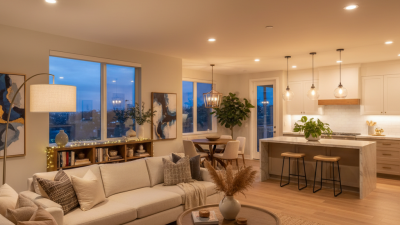
Selecting the right lighting sources for your home can significantly impact both aesthetics and functionality. According to the U.S. Energy Information Administration, residential lighting accounts for about 10% of total household energy use. This statistic highlights the importance of making informed decisions on lighting choices. With so many options available today, from LED to fluorescent, understanding these sources is essential.
Effective lighting can enhance your space, create the right mood, and improve productivity. A study from the Lighting Research Center indicates that appropriate lighting increases comfort and reduces eye strain. However, not all options are suitable for every room. For instance, a bright LED spotlight may work well in a kitchen, but a softer, warmer glow is preferable for a cozy living room.
While exploring lighting sources, consider the long-term impact on your energy bill and environment. Misjudging the illumination needs can lead to wasted energy and compromise your design aesthetic. Therefore, balancing function and style is crucial. Inadequate lighting can darken corners, affecting your overall home comfort. Reflect on your current setup and envision how the right choices can transform your living space.
Understanding Different Types of Lighting Fixtures in Home Design
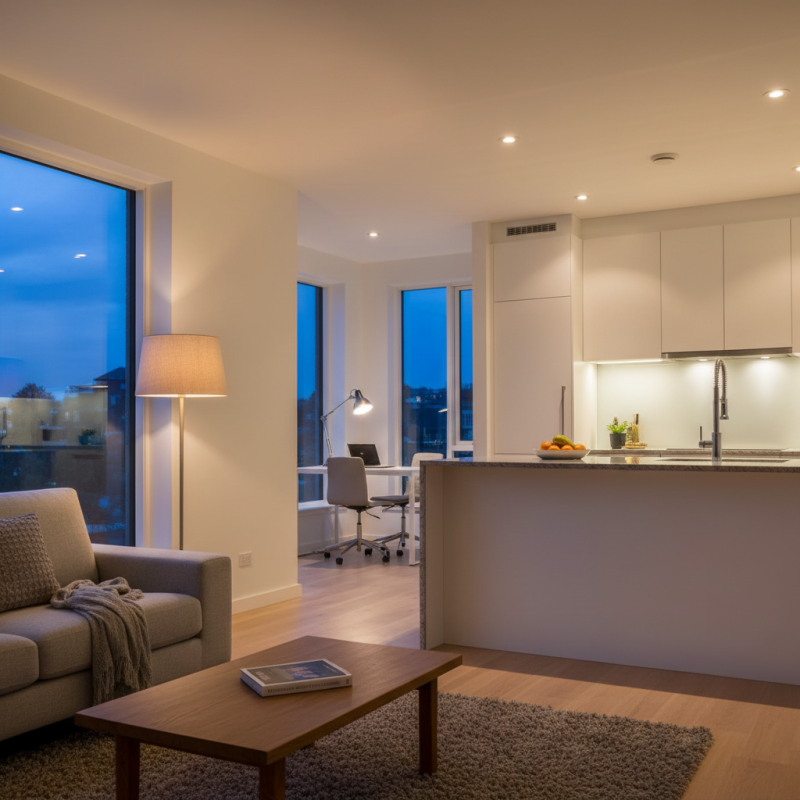
Choosing the right lighting fixtures can transform your home. There are various types of lighting available. Each fixture serves a unique purpose. Ambient lighting provides general illumination. Task lighting focuses on specific areas, like a kitchen counter. Accent lighting highlights artwork or architectural elements.
According to industry reports, proper lighting can impact mood and productivity. About 80% of homeowners report feeling more relaxed with warm lighting. This underscores the importance of selecting the right color temperature. A mix of different lighting types in a room often leads to the best results.
Tips: Consider dimmable fixtures for versatility. This allows you to adjust brightness based on the time of day or activity. Explore LED options. They consume less energy and have a longer lifespan. Always think about shadows and glare. Poorly placed fixtures can create discomfort in your space.
How to Choose the Best Lighting Sources for Your Home?
| Lighting Type |
Description |
Common Use |
Pros |
Cons |
| Ambient Lighting |
Provides overall illumination to a space. |
Living rooms, bedrooms, hallways. |
Creates a comfortable environment. |
May not provide enough task lighting. |
| Task Lighting |
Focused lighting for specific tasks. |
Kitchens, desks, reading areas. |
Enhances visibility for detailed tasks. |
Can be harsh if not properly diffused. |
| Accent Lighting |
Highlights specific features or areas. |
Artwork, shelves, architectural elements. |
Adds drama and visual interest. |
May require additional sources for overall illumination. |
| Natural Lighting |
Light from the sun, often through windows. |
Living rooms, sunrooms, workplaces. |
Creates a warm and inviting atmosphere. |
Dependent on weather and time of day. |
| Smart Lighting |
Lighting controlled via smart devices. |
Anywhere, particularly homes with automation. |
Offers flexibility and control. |
Can be expensive to set up. |
Evaluating the Purpose of Each Room for Optimal Lighting Choices
Choosing the right lighting for each room in your home can be challenging. Every space serves a different purpose, which directly influences your lighting needs. For example, the kitchen is a functional area. Bright, focused lighting is vital here for cooking and food prep. Consider task lighting above work surfaces. Under-cabinet lights can make a huge difference.
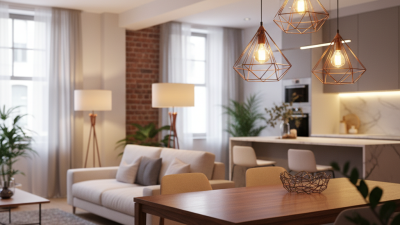
In contrast, the living room is a haven for relaxation. Soft, warm lighting creates an inviting atmosphere. You might need a mix of ambient and accent lighting to highlight features like artwork. Don't forget about the corners; they often get ignored yet can benefit from gentle light.
Lastly, think about your bedroom. This is a sanctuary for rest. Dimmer switches are perfect for adjusting brightness. You might want bedside lamps for late-night reading. Reflect on how these different lighting sources interact. Sometimes, an area may feel too bright or too shadowy. Adjust as needed to create the right balance for each room.
Lighting Source Choices for Different Rooms
Identifying the Right Brightness Levels for Various Spaces
Choosing the right brightness for each room can be challenging. Different spaces have varying needs. Living rooms often call for warm, inviting light. Bright spaces encourage relaxation and conversation. In contrast, kitchens might need brighter, cooler light to enhance focus and visibility. Aim for fixtures that provide clarity but avoid harsh glaring.
In bedrooms, softer light creates a calming atmosphere. Dimmers can be useful here. Adjust the brightness based on the time of day. A well-lit space can promote productivity in a home office. Task lighting is essential, but balance it with ambient light. Consider adding layers of light, such as sconces or table lamps.
Not every space needs the same intensity. It’s a mistake to think one type of light fits all rooms. Hallways and closets typically require less light. You might need to rethink the placement of your fixtures. Reflecting on your choices will help you fine-tune the brightness levels. Experimentation can lead to unexpected and pleasant results.
Choosing Energy-Efficient Lighting Options for Sustainability
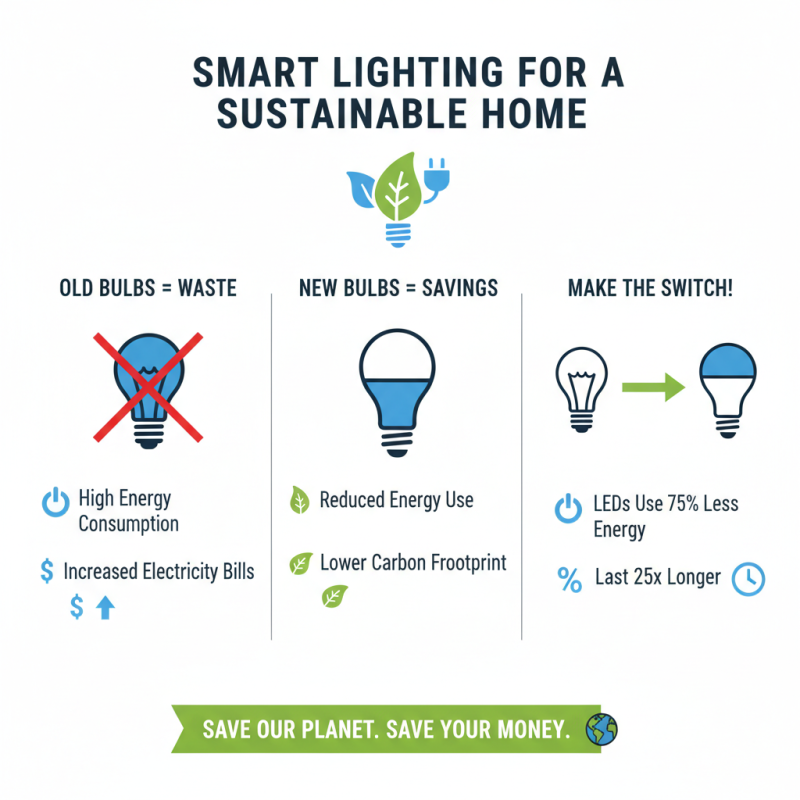
Choosing energy-efficient lighting is crucial for sustainability. Traditional bulbs waste a lot of energy and can increase your electricity bill. Lighting accounts for a significant portion of energy use in homes. By switching to more efficient options, you can reduce your carbon footprint.
LEDs and CFLs are popular choices. They use less energy and last longer than incandescent bulbs. For example, an LED can last up to 25,000 hours. This means fewer replacements and less waste. However, the initial cost may deter people. It’s often a balance between upfront investment and long-term savings.
Consider the light's color temperature too. Warmer tones create a cozy atmosphere, while cooler tones can enhance focus. The wrong choice might lead to an uncomfortable environment. Sometimes, you might need to experiment to find what works best. Remember, being energy-efficient isn’t just about saving money. It’s also about creating a responsible living space.
Incorporating Mood and Ambiance with Color Temperature Selections
Lighting plays a crucial role in shaping the mood of your home. Color temperature, measured in Kelvin (K), significantly influences how a space feels. Warm light (2700K-3000K) promotes relaxation, ideal for bedrooms. Cooler light (4000K-5000K) stimulates focus, perfect for home offices. According to the American Society of Interior Designers, lighting affects mood by more than 60%.
When selecting lighting, consider the purpose of each room. A dining area benefits from a warm glow, creating an inviting atmosphere. However, a kitchen requires clarity to aid in tasks. A study by the Lighting Research Center reveals that adequate lighting boosts productivity by 20%. It's vital to strike a balance. Overly bright lighting can cause discomfort, while too dim lighting hinders activities.
Experimenting with color temperatures can lead to unexpected outcomes. Some people may find warmer tones in a living room dull or sterile. It's essential to reflect on your personal preferences. Utilize dimmers to adjust brightness and create layered lighting. Unintentional shadows can add depth, yet harsh lighting might overwhelm. Be aware of your surroundings; sometimes, a little experimentation can reveal the perfect ambiance.