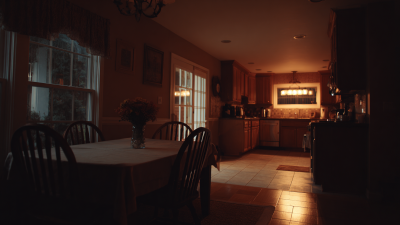
Best Ways to Enhance Home Lighting for Global Buyers?
Creating the right lighting at home can transform any space. Good lighting enhances functionality and sets the desired mood. It affects how we feel and interact in our spaces.
Many homeowners overlook the importance of lighting. Instead of just brightening up areas, lighting at home should emphasize features, create warmth, and promote well-being. Certain fixtures may make a room feel cramped or uninviting. This observation reveals the need to choose wisely.
Consider the purpose of each room. Are you aiming for relaxation or productivity? Inadequate lighting can lead to eyestrain and fatigue. So, investing in diverse lighting options is essential. This may require some trial and error to find the right balance, but the investment pays off. Quality lighting leads to a more harmonious living environment.
Understanding the Importance of Home Lighting for Buyers Worldwide
Home lighting plays a crucial role in creating inviting spaces. For potential buyers worldwide, well-designed lighting can enhance the overall appeal of a home. It can make rooms feel larger and more welcoming. Bright, evenly distributed light can highlight architectural details. On the flip side, poor lighting can make even the most beautiful homes feel uninviting and cramped.
Natural light is often a top consideration. Large windows or skylights can greatly increase a home's attractiveness. On the other hand, relying too much on artificial lighting can lead to a harsh and uninviting atmosphere. Different types of light fixtures can offer varied moods. For example, dimmable lights allow for customization, fostering a more intimate ambiance. Each choice should reflect the intended use of the space.
However, not all lighting is practical. Some buyers might overlook maintenance issues related to certain fixtures. It's easy to admire beautiful chandeliers, but their upkeep can be demanding. In addition, balancing warmth and brightness is essential. Too much of either can turn a cozy environment into a sterile one. Evaluating the purpose of each space will yield the best results.
Types of Lighting: Natural, Ambient, Task, and Accent Explained
Light is essential in any home. It creates mood and enhances functionality. Understanding the different types of lighting can help you make informed choices.
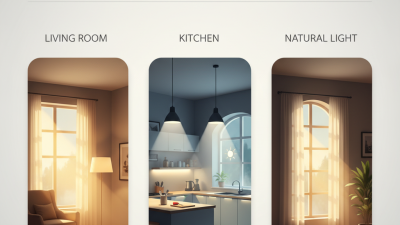
Natural light is a great starting point. It brings warmth and connects the indoors with nature. Use large windows to invite sunlight. Consider mirrors to reflect light and brighten darker areas. Don't overlook the importance of sheer curtains. They allow natural light while maintaining privacy.
Ambient lighting is your primary source of light at home. It provides a comfortable level of brightness. Dimmers can adjust its intensity, promoting relaxation. Task lighting is vital for specific activities, such as reading or cooking. Use focused lights to illuminate these areas effectively.
Accent lighting adds drama and highlights features. Use wall sconces or spotlights to draw attention to artwork. Layer your lighting for more depth and interest. Combining these types can improve your home's overall atmosphere significantly. Remember that even small changes in lighting can transform your space. Consider experimenting with different placements to find what works best for you.
Best Ways to Enhance Home Lighting for Global Buyers?
| Type of Lighting |
Description |
Best Uses |
Examples |
| Natural |
Utilizes sunlight to illuminate spaces, promoting health and well-being. |
Living areas, kitchens, and workspaces. |
Windows, skylights, and open plan designs. |
| Ambient |
Provides overall illumination to create a comfortable atmosphere. |
Bedrooms, living rooms, and dining areas. |
Ceiling fixtures, chandeliers, and wall sconces. |
| Task |
Focused lighting for specific activities and tasks. |
Reading, cooking, and office work. |
Desk lamps, under-cabinet lights, and vanity mirrors. |
| Accent |
Highlights specific features or areas to draw attention. |
Art pieces, architectural features, or landscaping. |
Spotlights, picture lights, and track systems. |
Innovative Technologies for Smart Home Lighting Solutions
Innovative technologies are transforming smart home lighting solutions, making homes more adaptive and energy-efficient. According to a recent report by Allied Market Research, the global smart lighting market is expected to reach $130 billion by 2027, growing significantly year over year. This surge indicates a shift towards energy-efficient solutions that cater to modern lifestyles.
Smart lighting systems utilize sensors and automation to adjust brightness based on occupancy. For example, motion sensors can turn lights on when someone enters a room and off when they leave. This not only enhances convenience but can also lead to energy savings of up to 30%. Homeowners are increasingly looking for solutions that seamlessly integrate with their daily routines.
However, a notable challenge remains in the user experience. Many consumers find smart systems complicated to set up or use. In fact, a survey by Statista revealed that 55% of users cited a steep learning curve as a significant barrier to adopting smart lighting. As technology evolves, a focus on user-friendly interfaces and improved customer education is crucial for wider adoption. Balancing innovation with usability will define the future of smart home lighting.
Cost-Effective Methods to Improve Home Lighting Design
Enhancing home lighting can greatly improve ambiance and functionality, especially for global buyers. Creative adjustments to lighting designs can be implemented without breaking the bank. According to the Energy Information Administration, lighting accounts for approximately 15% of a household's energy bill, highlighting the importance of efficient lighting solutions.
One cost-effective method is replacing old bulbs with LED options. LEDs use up to 75% less energy than incandescent bulbs. Additionally, they last significantly longer, reducing replacement costs. Consider layer lighting; combine ambient, task, and accent lighting to create depth and warmth in your spaces. Adjusting the brightness helps adapt the room for different activities, enhancing user experience.
Use natural light to your advantage. Keep windows clean and use light-colored curtains to allow maximum sunlight to filter in. Reflective surfaces, like mirrors and light paint colors, can amplify natural light. Avoid overcrowding spaces with heavy furniture. Embrace simplicity to ensure light flows naturally. Experiment with dimmer switches; they can create varying moods while saving energy. Reflect on the balance between aesthetics and utility as you transform your lighting design.
Best Ways to Enhance Home Lighting for Global Buyers
The following chart illustrates the most cost-effective methods to improve home lighting design, based on a survey of potential buyers across various regions. The data shows the percentage of respondents who favor each lighting enhancement method.
Cultural Influences on Lighting Preferences Among Global Buyers
Lighting preferences vary widely across cultures, and understanding these differences can help enhance home lighting. In many Asian cultures, soft and warm lighting is preferred to create a relaxed atmosphere. This contrasts with Scandinavian designs, where bright, minimalist lighting is favored to combat long winter nights. Recognizing these cultural influences is essential for global buyers.
Tips for incorporating cultural preferences: Consider warm LED bulbs for cozy settings. Use dimmers to adjust brightness levels according to different times of day. In contrast, layering different light sources can suit spaces in Western designs that prioritize functionality and style.
When selecting fixtures, protect cultural values. Some cultures may appreciate intricate designs while others prefer simplicity. Acknowledge that cultural preferences may evolve, creating the need for flexibility. Adapting to these changes can help create a space that feels welcoming and inclusive.