What is a Gate Valve and How Does it Work?
Gate Valves play a crucial role in various industrial applications. According to the Global Market Insights report, the gate valve market is expected to reach $12 billion by 2024. This reflects a growing demand for reliable and efficient flow control mechanisms. Gate valves are designed to fully open or close, providing minimal flow resistance.
These valves are used in water supply, oil and gas, and chemical processing industries. Their ability to create a tight seal contributes to their popularity. Beyond mere functionality, the material and design of gate valves can impact their lifespan and maintenance needs. Some industries still face challenges with corrosion and wear.
Understanding how gate valves operate is essential for engineers and plant managers. Yet, not all installations are problem-free. Issues, such as inadequate sealing and difficulty in operation, can arise. These situations highlight the need for better training and knowledge about these devices. As industries continue to evolve, the importance of enhancing gate valve technology becomes clear.
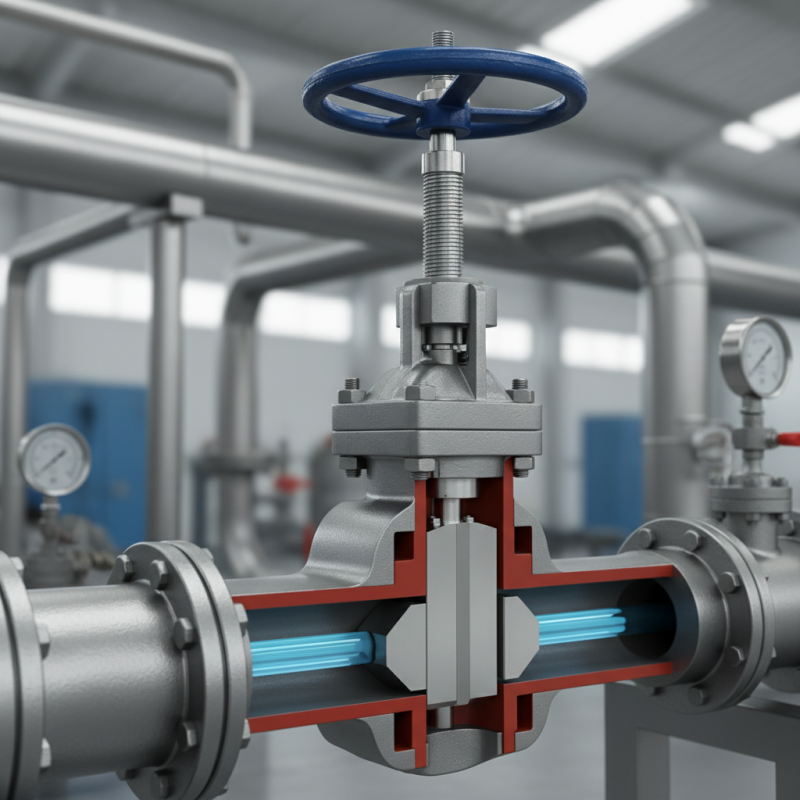
Definition of a Gate Valve: Purpose and Functionality
A gate valve is a crucial component in fluid control systems. Its primary purpose is to start or stop the flow of liquids or gases. Unlike other valves, the gate valve provides minimal pressure drop when fully open. This feature makes it a preferred choice in pipelines. According to industry reports, gate valves account for about 25% of installed valve types in industrial applications.
The functionality of a gate valve lies in its design. It consists of a movable gate that slides between two seats. This design allows for a tight seal when closed. However, if not properly maintained, the valve can become stuck or leak. Issues like corrosion can impact performance. Data from the American Water Works Association indicate that up to 40% of valve failures are attributed to lack of maintenance and improper usage.
In applications involving high flow rates, gate valves excel. Yet, they are not ideal for throttling flows. Operating them in partially opened states can lead to vibration and erosion. Many engineers often overlook this aspect, leading to premature valve failure. A better understanding of these limitations could improve system reliability and efficiency.
Components of a Gate Valve: Key Parts Explained
Gate valves are essential components in various piping systems. They are primarily designed to start or stop the flow of liquids. Understanding their key parts can illuminate their function and efficiency.
The main components of a gate valve include the body, gate, bonnet, stem, and actuator. The body houses the internal parts. The gate is the wedge-shaped element that controls flow. It moves up and down to create an opening or close it entirely. The bonnet connects the body and provides access for maintenance. The stem moves the gate, and it can either be rising or non-rising. An actuator, often manual or automatic, allows for simple operation.
When choosing a gate valve, consider its application. Ensure compatibility with the fluid type and pressure. Regular maintenance is vital to avoid issues. A study by the American Society of Mechanical Engineers highlights that improper maintenance can reduce a valve’s lifespan significantly. Ensure seals and fittings are tight to prevent leaks.
Tip: Always inspect the valve before use. Check for signs of wear or corrosion. Small issues can lead to larger problems if not addressed promptly. Understanding your valve's components is the first step in ensuring operational excellence.
How Gate Valves Operate: The Mechanism Behind Function
Gate valves are essential components in fluid control. They work by moving a gate-like disc up and down. This action opens or closes the flow of liquid or gas. When the gate is fully raised, the path is clear. Conversely, when it is lowered, the flow is blocked. This simple mechanism allows for efficient regulation of flow.
The operation of gate valves relies on a few key components. The handwheel or actuator turns a screw that raises or lowers the gate. A threaded stem connects the handwheel to the gate. As the wheel turns, the stem moves the gate accordingly. However, this can lead to wear over time. Users may notice the valve becoming harder to operate. Regular maintenance and lubrication are necessary to prevent this.
There are different types of gate valves. They can be made from various materials. This affects their durability and suitability for different applications. Some valves may fail when exposed to harsh conditions. This can result in leaks or complete failure. Understanding how these valves work helps in selecting the right type for specific needs.
Applications of Gate Valves in Various Industries
Gate valves are essential in many industries due to their effectiveness in controlling fluid flow. In water treatment facilities, these valves ensure seamless operation by completely stopping or allowing water flow. They play a vital role in maintaining the system’s efficiency. In oil and gas pipelines, gate valves can handle high-pressure environments while preventing leaks. Their robust design makes them reliable for transporting various fluids.
In power plants, gate valves are crucial for regulating steam flow. They enable the control needed for efficient energy production. However, regular maintenance is key. A neglected valve can lead to failures, impacting operations. Inspecting the seals and packing of these valves can prevent unexpected breakdowns.
**Tips:** When using gate valves, ensure they are fully opened or closed to avoid damaging the gate. Regular checks on the valve's performance can help identify early signs of wear. If a valve is stuck, applying a gentle force may help. Remember, it's always best to consult an expert when in doubt.
What is a Gate Valve and How Does it Work? - Applications of Gate Valves in Various Industries
| Application Industry | Primary Function | Common Materials | Typical Size Range |
| Oil & Gas | On/Off flow regulation | Stainless Steel, Brass | 2" to 48" |
| Water Supply | Flow control | PVC, Ductile Iron | 1" to 24" |
| Chemical Processing | Isolation of corrosive fluids | PTFE, Alloy 20 | 1" to 36" |
| Power Generation | Steam and water flow management | Carbon Steel, Cast Iron | 2" to 60" |
| HVAC Systems | Air flow regulation | Aluminum, Galvanized Steel | 1" to 10" |
Advantages and Disadvantages of Using Gate Valves
Gate valves are commonly used in various industries for controlling fluid flow. Their primary advantage lies in their ability to provide a straight-line flow with minimal pressure drop. According to a report by the American Society of Mechanical Engineers (ASME), gate valves are often preferred in large pipelines due to their efficiency. An overwhelming 70% of engineers reported choosing gate valves for applications where low fluid resistance is essential.
However, gate valves are not without limitations. They are not well-suited for flow regulation. Using them to partially open can cause damage over time, leading to flow turbulence. This downside was noted in a study by the International Journal of Engineering. Additionally, they require a significant amount of space to operate. In tight installations, this can be a critical issue.
Moreover, maintenance can become a challenge. Seal wear can occur, impacting the valve's performance. Industry reports suggest that nearly 30% of valve failures are attributed to inadequate maintenance. While gate valves have clear benefits, these issues prompt many engineers to weigh their options carefully before selection.