What is a Liquefaction Plant and How Does it Work?
A Liquefaction Plant is a crucial facility in the energy sector. It transforms natural gas into liquid form for easier transportation and storage. According to the International Energy Agency (IEA), the global demand for liquefied natural gas (LNG) has surged over the past decade, with an increase of about 6% annually. This growth highlights the importance of efficient liquefaction technologies.
The process within a Liquefaction Plant involves cooling natural gas to extremely low temperatures. This cooling condenses the gas into a liquid, reducing its volume significantly. For instance, LNG occupies about 1/600th of its gaseous state volume. However, the technology is not without challenges. Facilities can face operational inefficiencies and high energy consumption, raising questions about their overall sustainability.
In an industry where precision and efficiency are paramount, the need for innovation in liquefaction processes is vital. Continuous advancements seek to lower costs and improve output. Nevertheless, experts remind us that reflection on past projects is necessary. Some plants have struggled to meet production targets, emphasizing the importance of learning from experiences and finding solutions in the ever-evolving energy landscape.
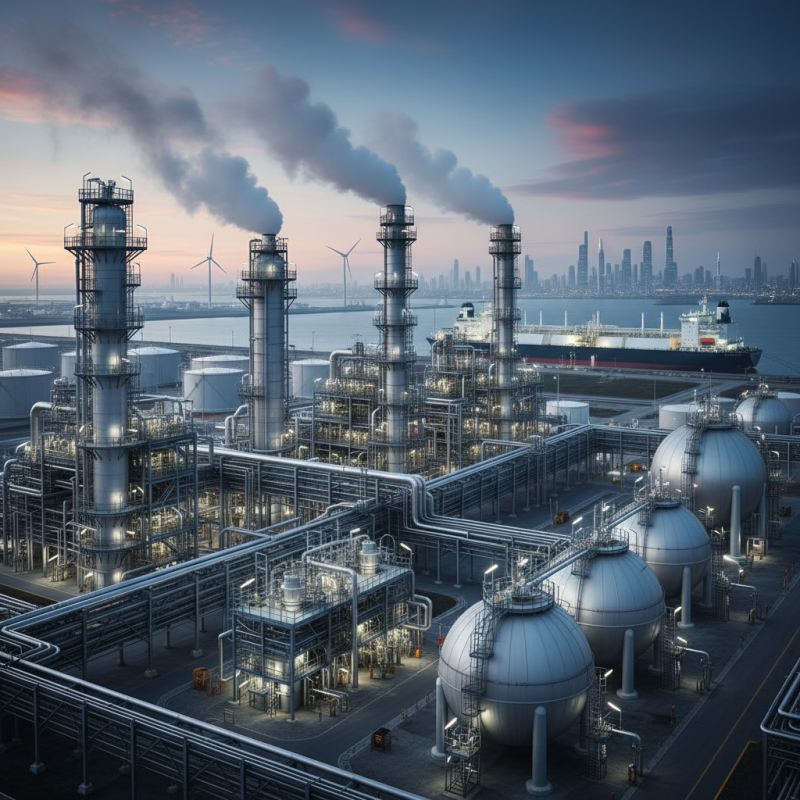
What is a Liquefaction Plant?
A liquefaction plant is a facility designed to convert gases into liquid forms. This process mainly applies to natural gas, transforming it into liquefied natural gas (LNG). At its core, the liquefaction process uses cooling techniques. The objective is to significantly reduce the volume of gas, making it easier to transport and store.
The plant operates through several stages. Initially, the gas is cleaned of impurities. This step ensures that no contaminants affect the end product. After purification, the gas is cooled to extremely low temperatures. This refrigeration converts the gas into a liquid. The entire process requires careful monitoring. Any small error could lead to inefficiencies or even costly failures.
However, the technology is not without its challenges. Energy consumption is high, raising environmental concerns. Additionally, the infrastructure needed is complex and expensive. Accessibility can be an issue for remote locations. As the world seeks cleaner energy sources, the liquefaction plant remains a critical player in the global energy landscape. It embodies both innovation and the need for sustainable practices.
The Purpose and Importance of Liquefaction Plants
Liquefaction plants play a crucial role in the energy sector. They convert natural gas into a liquid form, which is more compact and easier to transport. This process reduces gas volume significantly. It allows for efficient storage and shipping across the globe. Such convenience is vital for regions lacking natural gas infrastructure.
The importance of these plants stretches beyond transportation. By liquefying gas, they help stabilize energy prices. Markets become less volatile when supply meets demand effectively. Moreover, liquefaction plants contribute to energy security. They provide countries with access to cleaner energy sources. However, there are environmental concerns. The energy used in the liquefaction process can be substantial. This raises questions about sustainability.
While liquefaction technology offers many advantages, challenges remain. Balancing operational efficiency and environmental impact is essential. Ongoing research focuses on reducing energy consumption during the liquefaction process. Continual improvement could make these plants even more efficient. Finding solutions is crucial for the future of energy logistics. The need for innovation is clear.
Key Components of a Liquefaction Plant
A liquefaction plant is designed to convert gaseous forms of fuel into liquid fuels. Understanding its key components is crucial to grasp how it operates. This process is essential in industries dealing with natural gas and other hydrocarbons.
At the core of a liquefaction plant is the cryogenic heat exchanger. This unit cools the gas significantly to below its boiling point, transforming it into a liquid state. The efficiency of this component can greatly affect overall productivity. It's fascinating to note how varying temperatures impact the liquefaction rate.
Another critical part is the refrigeration cycle. This system maintains the low temperatures necessary for liquefaction. It relies on several compressors and condensers. Regular maintenance is vital; occasional wear can reduce efficiency.
**Tip:** Check for any unusual sounds from the compressors. They can indicate underlying issues.
Storage tanks also play a significant role. They hold the liquefied gas until it is ready for transport. The design of these tanks must ensure they can withstand extremely low temperatures. Small design flaws may lead to safety concerns.
**Tip:** Inspect the tanks regularly for leaks. Early detection can prevent accidents.
In summary, understanding the components of a liquefaction plant helps appreciate its function. Each part contributes to the efficiency and safety of the process.
What is a Liquefaction Plant and How Does it Work? - Key Components of a Liquefaction Plant
| Component | Description | Function |
| Natural Gas Supply | Source of natural gas to be liquefied | Provides the feedstock for the liquefaction process |
| Pre-cooling System | Systems to lower the temperature of natural gas before liquefaction | Helps to prepare gas for the liquefaction process |
| Cryogenic Heat Exchangers | Devices to cool gas to below its boiling point | Critical for converting gas to liquid phase |
| Storage Tanks | Insulated tanks for storing liquefied natural gas (LNG) | Holds LNG before transportation or distribution |
| Pumping System | System to transfer LNG from storage to transport | Facilitates the movement of LNG to vehicles or ships |
The Process of Liquefaction: Step by Step
Liquefaction plants play a critical role in transforming natural gas into a liquid form. This process significantly reduces its volume, making transportation and storage more efficient. The journey begins with cooling the gas. The gas is compressed and cooled to extremely low temperatures. This step is vital, as it decreases the temperature below -160°C, resulting in liquefaction.
Next, the liquefied gas is carefully stored in insulated tanks. These tanks help maintain the low temperature required to keep the gas in liquid form. However, it is crucial to monitor these tanks continuously for any potential leaks. A small oversight can lead to substantial losses and safety hazards.
After storage, the liquid can be transported in specialized tankers. The unloading process also requires attention. Proper handling is essential to prevent accidents. Unexpected events can challenge even the most advanced systems. The whole process is complex, with many necessary steps. Reflection on these steps can lead to improvements in safety and efficiency. Each stage of liquefaction requires diligence and innovation.
Liquefaction Plant Production Capacity
Applications and Benefits of Liquefaction Technology
Liquefaction technology is changing how we use natural gas. This process allows gas to become a liquid at very low temperatures. By doing so, it reduces its volume significantly, making transportation easier. According to a recent industry report, liquefaction can shrink natural gas volumes by about 600 times. This makes it possible to ship gas from remote locations to areas with high demand.
The applications of liquefaction technology are vast. One major benefit is that it enables access to cleaner energy. Many countries are investing in liquefaction plants to support their energy transitions. For instance, a study from the International Energy Agency noted that LNG could significantly cut carbon emissions compared to coal. However, the development of such plants is not without its challenges. High construction costs and environmental concerns arise in many regions.
Moreover, there are questions about sustainability. The energy required to operate liquefaction facilities can be substantial. If not managed properly, this could negate some of the environmental benefits. Industry experts urge a balanced approach to ensure technology advancements align with ecological goals. The growth of liquefaction plants is promising but warrants careful scrutiny.