


Choosing the top Exterior Kitchen Cabinets requires more than comparing colors, door styles, and price tags. Outdoor cabinetry faces sunlight, rain, humidity, temperature changes, insects, and cooking grease. A cabinet that looks excellent in a showroom may swell, fade, or corrode beside a grill.
Russ Faulk, founder of Kalamazoo Outdoor Gourmet, has said, “Outdoor kitchens should be designed with the same care as indoor kitchens.” That principle remains practical. The best cabinets use weather-resistant materials, sealed edges, reliable hardware, and construction suited to the local climate. Marine-grade polymer, stainless steel, and properly finished aluminum are common choices. However, no material is maintenance-free. Even stainless steel needs regular cleaning near salt air.
This guide examines leading cabinet options through durability, storage, installation, appearance, and long-term value. It also considers real outdoor use. Think wet towels, hot pans, dusty weekends, and sudden storms. Small details matter. Adjustable shelves help. Soft-close hinges improve daily use. Ventilation can protect enclosed equipment. Poor drainage cannot.
There is no universal winner. A coastal homeowner may prioritize corrosion resistance, while a dry-climate buyer may focus on UV stability. Budget changes the decision, too. Sometimes, the most expensive cabinet is not the most suitable one. That is worth remembering.
The recommendations draw on material performance, professional design guidance, and practical installation experience. Still, product claims should be checked carefully. Climate, workmanship, and maintenance can change the outcome. The top Exterior Kitchen Cabinets are not merely attractive; they should remain useful, stable, and safe through years of outdoor cooking.
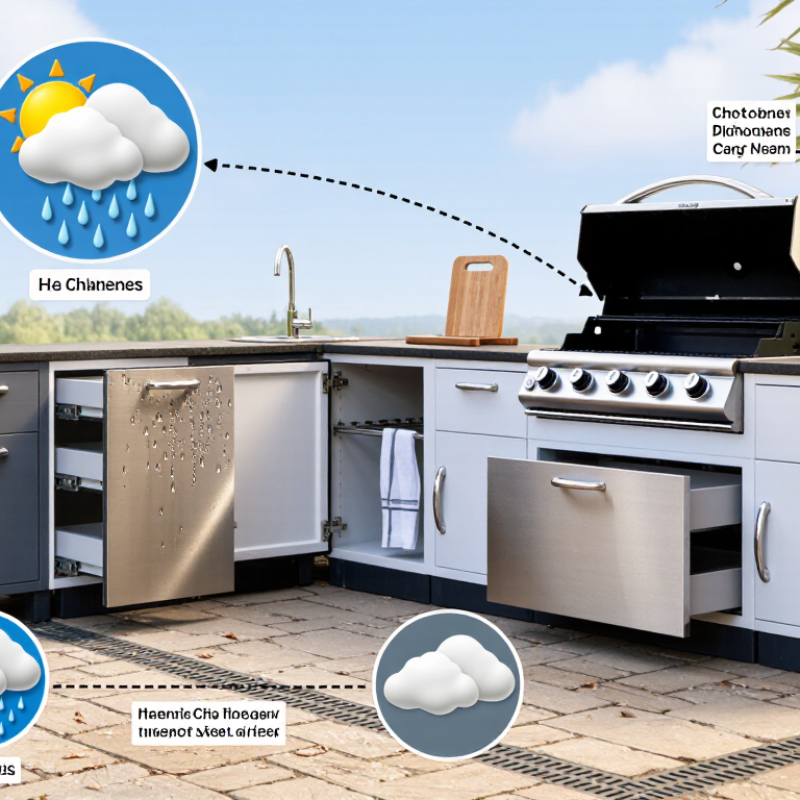
Exterior kitchen cabinets must withstand sunlight, rain, humidity, and changing temperatures. The best type depends on your climate and cooking habits. Marine-grade polymer cabinets suit fully exposed patios because they resist moisture, fading, and swelling. They are practical, though their appearance can feel less warm than natural wood.
Stainless steel cabinets work well for frequent cooking and demanding outdoor spaces. They handle heat, grease, and repeated cleaning with confidence. However, fingerprints and surface scratches appear quickly. Powder-coated aluminum offers a lighter option for rooftop kitchens or balconies. It resists rust, but poor-quality finishes may fade under strong sunlight. I would inspect the coating thickness before purchasing.
Teak and other weather-resistant hardwoods bring a richer, residential look to covered patios. They need regular sealing, especially near pools or coastal air. Without maintenance, the surface can dry, crack, or turn gray. High-density polyethylene cabinets are useful around wet bars and pool kitchens. They do not absorb water easily and clean quickly. Still, they can expand slightly in extreme heat. Leave proper installation gaps. A cabinet installer should also use corrosion-resistant hinges, sealed edges, and adjustable legs. Small oversights matter outdoors. Even a strong cabinet can fail when water collects beneath it or wind-driven rain enters unprotected joints.
Exterior kitchen cabinet materials are compared using a practical suitability score based on moisture resistance, corrosion resistance, UV stability, durability, and maintenance needs. Stainless steel and marine-grade polymer are generally best for wet or coastal environments, while teak is suited to warm, design-focused outdoor kitchens.
Best uses: Stainless steel for coastal and high-use kitchens; marine-grade polymer for humid or rainy locations; aluminum for lightweight, modern installations; teak for premium decorative kitchens; and HDPE for low-maintenance family and poolside kitchens.
The top exterior kitchen cabinets begin with weather-resistant materials, not decorative finishes. Grand View Research’s 2024 outdoor kitchen market analysis valued the global market at roughly 24 billion dollars in 2023. That growth reflects stronger demand for durable outdoor cooking areas. However, cabinet performance still depends on climate, installation, and maintenance.
Marine-grade HDPE is a practical choice for wet locations because it does not absorb water or swell like standard wood-based panels. Powder-coated aluminum offers low weight and good resistance to rain, but damaged coating can expose the metal beneath. Stainless steel remains a reliable option. In coastal areas, 316 stainless steel generally performs better than 304 because molybdenum improves resistance to chloride corrosion. The International Stainless Steel Forum recognizes this grade distinction in corrosion-sensitive environments. Small details matter. Use sealed edges, adjustable feet, and corrosion-resistant fasteners.
I would not call any cabinet maintenance-free. That assumption is costly. Even premium materials need rinsing after salt exposure and inspection around hinges. A cabinet can look perfect while water collects behind its frame. In my experience, ventilation is often overlooked, especially beneath grills and refrigerators. Manufacturers should provide drainage paths, but installers must verify them on site. The National Kitchen and Bath Association’s outdoor-living research continues to identify durability and easy maintenance as major planning priorities, supporting a simple rule: choose materials for the harshest local condition, not the mildest season.
| Cabinet Material | Weather Resistance | Moisture and Corrosion Performance | Maintenance Needs | Key Advantages | Main Limitations | Best Outdoor Use |
|---|---|---|---|---|---|---|
| Marine-Grade Stainless Steel | Excellent resistance to rain, sunlight, temperature changes, and coastal exposure when the appropriate stainless-steel grade is selected. | Very low water absorption; corrosion resistance is strongest with marine-suitable grades and regular removal of salt deposits. | Wipe with mild soap and water; rinse salt and chlorine residue; avoid chlorine-based cleaners and abrasive pads. | Highly durable, hygienic, non-porous, and resistant to warping, cracking, and insect damage. | Higher purchase cost; can show fingerprints, scratches, and heat marks; metal may become hot in direct sun. | Permanent outdoor kitchens, coastal homes, high-use cooking areas, and commercial-style installations. |
| Powder-Coated Aluminum | Very good resistance to rain, humidity, and ultraviolet exposure when the coating is properly applied and maintained. | Does not rust like iron or carbon steel; exposed cuts, fasteners, and damaged coating should be protected from prolonged moisture. | Clean periodically with mild detergent; inspect for chips or scratches and repair exposed metal promptly. | Lightweight, corrosion-resistant, available in many colors, and easier to install than heavier metal cabinetry. | Can dent more easily than steel; coating quality and edge detailing strongly affect long-term performance. | Most residential patios, balconies, pool areas, and covered or partially exposed outdoor kitchens. |
| High-Density Polyethylene (HDPE) | Excellent resistance to moisture, UV exposure, freeze-thaw cycles, and many common household chemicals. | Non-porous and highly resistant to rot, swelling, delamination, and corrosion; hardware still requires suitable protection. | Wash with soap and water; use non-abrasive cleaners to preserve the surface finish. | Low maintenance, moisture-proof, color-stable when UV-rated, and resistant to insects and biological decay. | May expand and contract with temperature; can be more expensive than basic wood-based panels and may have a plastic-like appearance. | Uncovered kitchens, humid climates, poolside installations, and locations exposed to frequent splashing. |
| Marine-Grade Polymer Panels | Very good resistance to rain, humidity, UV exposure, and temperature variation when panels and edge seals are designed for exterior use. | Low water absorption and no conventional rusting; seams, joints, and fasteners must be sealed correctly. | Clean with mild soap and water; check joints and seals annually for gaps or deterioration. | Lightweight, easy to fabricate, resistant to rot, and available in contemporary finishes. | Quality varies by formulation; some surfaces can scratch, fade, or deform if exposed to excessive heat. | Moderately exposed patios, modern outdoor kitchens, and projects requiring low structural weight. |
| Exterior-Rated Compact Laminate | Good resistance to sunlight and occasional wetting when the product is specifically rated for exterior applications. | Dense surfaces resist moisture, but exposed edges, cutouts, and joints must be sealed to prevent water intrusion. | Routine wiping is usually sufficient; inspect edge seals and avoid prolonged standing water. | Wide design selection, scratch resistance, easy cleaning, and a slim contemporary appearance. | Not every laminate is exterior-rated; poorly sealed edges may swell or delaminate over time. | Covered patios, screened porches, and outdoor kitchens with controlled exposure. |
| Naturally Durable Hardwood | Moderate to good resistance varies by species, construction, finish, and local climate; no wood is completely weatherproof. | Can resist decay when properly selected and sealed, but repeated wetting may cause movement, checking, or surface degradation. | Requires regular cleaning, inspection, and periodic recoating or oiling according to the finish system. | Natural appearance, repairable surfaces, and strong design flexibility. | Higher maintenance; may fade, swell, split, or develop mildew if drainage and sealing are inadequate. | Covered outdoor kitchens, dry climates, and designs where natural wood aesthetics are a priority. |
| Exterior-Rated Fiber-Cement Board | Good resistance to UV exposure, moisture, and temperature changes when installed with a suitable exterior coating and correctly detailed joints. | Resists rot and insects, but unsealed edges and penetrations can absorb water; cabinet frames must be properly engineered. | Clean periodically and maintain paint or protective coatings; inspect joints and fasteners for damage. | Stable, non-combustible, resistant to insects, and suitable for architectural finishes. | Heavier than polymer panels, can chip during handling, and depends heavily on proper sealing and installation. | Built-in outdoor kitchens with masonry-style finishes or locations requiring non-combustible materials. |
Note: Actual service life depends on climate, exposure, construction quality, drainage, hardware selection, installation, and maintenance. For uncovered or coastal locations, prioritize non-porous materials, sealed edges, corrosion-resistant fasteners, and proper ventilation.
Exterior kitchen cabinets must survive more than daily cooking. They face rain, sunlight, salt air, grease, and repeated temperature changes. In installation practice, sealed marine-grade polymer, powder-coated aluminum, and properly finished stainless steel offer dependable moisture resistance. Solid construction matters too. Look for continuous hinges, protected fasteners, adjustable legs, and doors that close firmly. Small gaps can become large maintenance problems.
Storage should match real cooking habits. Deep drawers can hold pans, while ventilated compartments suit propane cylinders and waste containers. Keep flammable materials away from heat-producing appliances. The National Fire Protection Association’s Home Structure Fires report found cooking equipment involved in 53% of reported home fires from 2014 to 2018. That figure concerns home cooking broadly, not outdoor kitchens, but it supports careful cabinet planning. Heat shields, noncombustible panels, and clear appliance spacing are practical safeguards.
Cleaning access is often overlooked. Removable shelves and smooth interiors make spilled marinades easier to remove. The U.S. Consumer Product Safety Commission also emphasizes stable surfaces and secure storage around cooking areas. I would not rely on appearance alone. A beautiful cabinet can still trap water behind its base. Check drainage, ventilation, corrosion resistance, and local installation requirements before ordering. Sometimes, the better cabinet is less decorative and easier to inspect.
Comparing exterior kitchen cabinet options starts with exposure, not appearance. Consider direct sun, coastal air, heavy rain, and winter freezing. Water finds gaps. Choose materials rated for outdoor use, such as marine-grade polymers, stainless steel, or properly sealed hardwood. Each behaves differently. Polymer resists moisture well, while wood offers warmth but needs regular coating inspections. Metal can be durable, although heat transfer may make handles uncomfortable in strong sunlight.
Construction quality deserves closer attention than cabinet color. Check fully sealed edges, reinforced corners, adjustable legs, and drainage paths inside the cabinet. Hinges and drawer slides should resist corrosion and operate smoothly after repeated moisture exposure. A cabinet that looks solid in a showroom may fail when water collects beneath it. Ask for documented testing, installation guidance, and warranty conditions. Reliable sellers should explain acceptable humidity, cleaning products, and replacement hardware.
Maintenance can change the real cost. Light-colored surfaces may show stains, while dark finishes can reveal dust and fading. Measure ventilation space carefully, especially around grills, refrigerators, and sinks. I have seen poor airflow cause warped panels and swollen trim. That mistake is easy to overlook. Compare the full price, including fasteners, protective covers, leveling work, and future refinishing. The best option is not always the most expensive one; it should match your climate, cooking habits, and willingness to maintain it.
What Are the Top Exterior Kitchen Cabinets?
Top exterior kitchen cabinets combine weather resistance, stable construction, and practical access. Marine-grade polymer, powder-coated aluminum, and properly sealed hardwood are reliable choices. Each material performs differently under heat, rain, salt, and freezing conditions. Check the cabinet’s hardware, hinges, fasteners, and internal supports. Outdoor exposure tests every weak point.
Installation requires more than attaching boxes to a wall. Set cabinets on a level, slightly raised base to prevent standing water. Use corrosion-resistant fasteners, especially near pools or coastal areas. Leave room for airflow behind appliances and avoid blocking drainage paths. A small slope can help rainwater escape. Measure twice. Even careful plans can miss uneven concrete or hidden wiring. A qualified installer should verify structural support, electrical clearances, and local safety requirements.
Tips: Clean surfaces with mild soap and fresh water. Dry them fully. Inspect seals, hinges, and drainage openings every few months. Remove leaves before they become damp, compacted debris. Lubricate suitable moving parts, but avoid oily products that attract grit. Covering cabinets during harsh weather may help, though trapped moisture can cause problems. I would not treat any cabinet as maintenance-free; outdoor kitchens need regular observation. Salt air, strong sunlight, and repeated temperature changes can shorten service life, even when materials appear durable.