

For global buyers, choosing home lighting is no longer only about brightness or appearance. It affects energy use, comfort, safety, and everyday mood. LED technology offers a practical balance between these needs. It can reduce electricity consumption, produce less heat, and provide years of service when designed correctly.
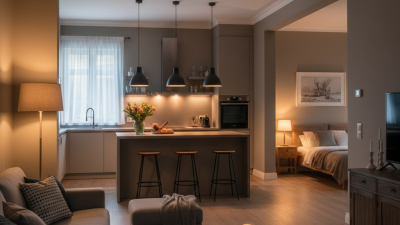
Lighting designer and author Randall Whitehead describes lighting as “the jewelry of architecture.” His insight remains useful for modern homes. A warm LED pendant can soften a dining room, while a focused downlight can reveal the texture of a kitchen counter. Small choices matter. So does restraint.
However, LED products are not automatically excellent. Buyers should check color temperature, glare control, dimming performance, and rated lifespan. Regional voltage, plug standards, warranty coverage, and recycling guidance also deserve attention. A low price may hide poor thermal management or inconsistent color quality. That is easy to miss.
Reliable home lighting suppliers should provide test reports, clear specifications, and honest performance claims. Certifications may vary by market, so buyers must verify local requirements before purchase. Practical experience also matters: a 3,000K lamp may feel welcoming in a bedroom but too warm for detailed work. There is no universal answer. Global buyers should compare performance in real rooms, not only polished product images. Some decisions will still involve compromise. That is normal. The better choice is the one that supports comfort, efficiency, and long-term confidence.
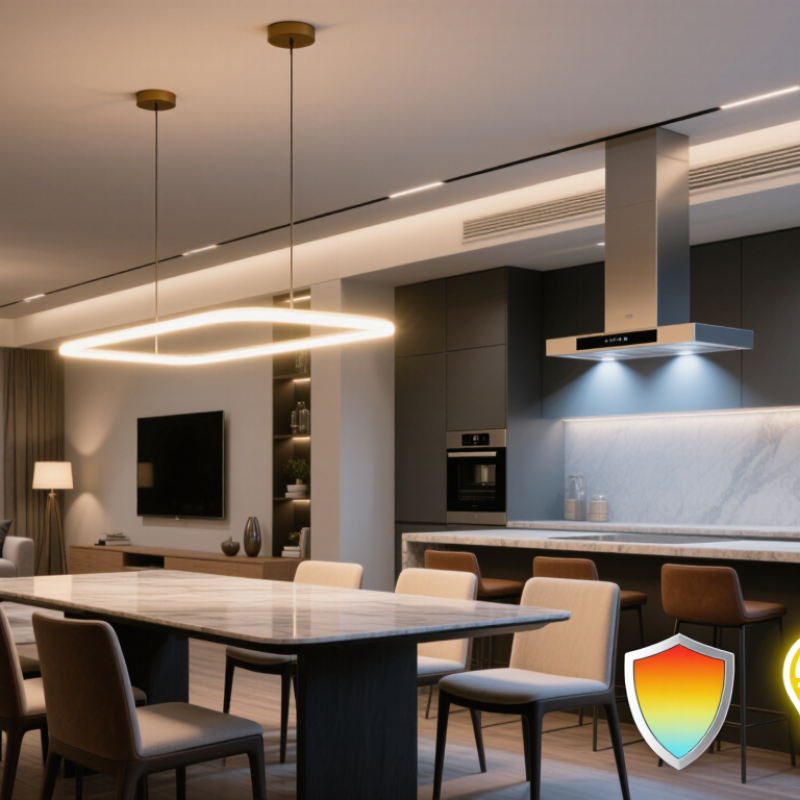
LED home lighting uses a semiconductor device to convert electrical energy into visible light. Unlike older bulbs, it does not heat a wire until it glows. An LED chip produces light when electric current passes through it. A small driver controls that current and helps protect the chip from unstable power.
This design can reduce energy use and support longer service life. In a real room, the difference is practical: an LED ceiling light may brighten a kitchen without making the shade hot. A hallway fixture can also reach full brightness almost instantly. However, efficiency is not the whole story. Buyers should check color temperature, color rendering, dimming support, and voltage compatibility. A warm 2700K setting feels softer, while 4000K appears cleaner and sharper.
Quality varies more than many product pages suggest. Poor drivers may cause visible flicker, especially when a phone camera points at the lamp. Some low-cost fixtures also claim long lifespans without explaining heat management. That deserves caution. Good housing materials, clear electrical ratings, and accessible test information matter for homes in different markets. Certification requirements also vary by country, so local compliance should be verified before installation. LED lighting is efficient, but it is not automatically perfect. A slightly higher purchase price may prevent early replacement, although real savings depend on daily use, electricity rates, and installation conditions.
LED home lighting uses less electricity because it converts more energy into visible light. A 10-watt LED can replace a 60-watt incandescent bulb in many rooms. Used four hours daily, it consumes about 73 fewer kilowatt-hours each year. At a rate of $0.15 per kilowatt-hour, one bulb may save nearly $11 annually. The saving grows across kitchens, hallways, and outdoor areas. It also produces less heat, which can reduce cooling demand in warm climates. Small changes matter.
Real-world performance depends on the product and installation. Quality LEDs often last 15,000 to 25,000 hours, but the electronic driver can fail earlier. That detail deserves attention. Buyers should check lumen output, color temperature, dimming compatibility, and local voltage requirements. A warm 2700K light suits bedrooms, while 4000K can improve visibility in work areas. Look for clear safety testing and reliable warranty terms. I have seen low-cost fixtures develop flicker after months of use, even when their energy figures looked attractive. The cheapest purchase is not always the lowest-cost choice. A simple payback estimate can help: purchase price divided by annual energy savings, plus replacement and installation costs.
Why Choose LED Home Lighting for Global Buyers?
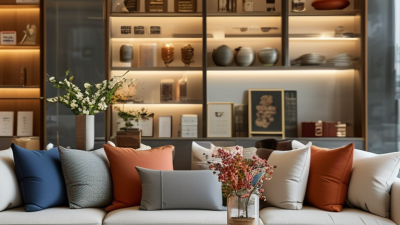
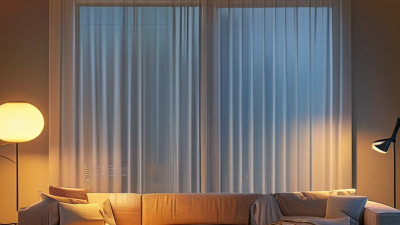
LED home lighting can make everyday rooms feel calmer, safer, and more personal. In my experience, warm white light works well in bedrooms and living areas. Cooler light can help people stay alert in kitchens, studies, and workspaces. Choosing the right color temperature matters more than many buyers expect. A harsh fixture may look modern but feel tiring after several hours.
LED lights also support safer movement around the home. Bright, even lighting can reduce dark corners near stairs, entrances, and hallways. Motion sensors may improve convenience, especially for children, older adults, or late-night visitors. Buyers should check electrical ratings, installation instructions, and local compliance requirements. Quality matters here. A low-cost light with poor heat control can flicker, weaken, or become uncomfortable. Not every attractive design performs equally well.
Tips: Match brightness to the task, not just the room size. Use dimming where possible. Avoid placing strong light directly into eye level. Layer ceiling, wall, and task lighting for depth. I once preferred very bright kitchen lighting, but softer under-cabinet lights proved more comfortable. That choice was not obvious at first. Also, check the fixture’s color rendering before purchase. Food, wood, and skin tones can appear dull under weak lighting. Small details shape the whole home.
| Evaluation Dimension | LED Lighting | Incandescent Lighting | Practical Benefit for Homeowners |
|---|---|---|---|
| Typical power for approximately 800 lumens | 8–10 W | 60 W | Similar brightness with substantially lower electricity use. |
| Typical luminous efficacy | Approximately 80–100 lm/W | Approximately 12–17 lm/W | More light can be produced from the same amount of electricity. |
| Typical rated life | 15,000–25,000 hours | Approximately 1,000 hours | Fewer replacements and less maintenance in hard-to-reach fixtures. |
| Estimated annual electricity use* | About 9.9 kWh per year | About 65.7 kWh per year | Potentially saves about 55.8 kWh per lamp each year. |
| Illustrative annual energy cost* | About US$1.48 | About US$9.86 | Potential annual electricity-cost difference of about US$8.37 per lamp, depending on local tariffs. |
| Heat generation | Lower heat output; the lamp and driver can still become warm. | A large share of input energy becomes heat. | More comfortable around reading areas and can reduce unwanted heat near shades or enclosed fixtures. |
| Color temperature choices | Commonly available from approximately 2,700 K to 6,500 K. | Usually warm white, approximately 2,700 K. | Warm light supports relaxation; neutral or cool light can support task visibility. |
| Color rendering options | Many products offer CRI 80+; higher-CRI versions are available. | Generally very good color rendering, often close to CRI 100. | LED selection can be matched to kitchens, bedrooms, artwork, and workspaces. |
| Dimming and controls | Dimming depends on the lamp, driver, dimmer, and electrical system. | Usually compatible with traditional dimmers. | Smart controls, occupancy sensors, and dimming can improve comfort and reduce wasted energy when properly matched. |
| Start-up performance | Typically reaches useful brightness immediately. | Reaches full brightness immediately. | LEDs are suitable for corridors, entrances, stairs, and other frequently switched areas. |
| Design flexibility | Available in bulbs, panels, strips, downlights, spotlights, and decorative fixtures. | More limited fixture and optical-control options. | Supports layered lighting, accent lighting, concealed lighting, and space-saving designs. |
| Global installation considerations | Check voltage, frequency, socket type, IP rating, dimmer compatibility, and local electrical requirements. | Socket and voltage compatibility are still required. | Correct specifications improve safety, reliability, and performance across different regions. |
Data notes:
*Illustrative calculation assumes one 9 W LED lamp or one 60 W incandescent lamp operating 3 hours per day for 365 days. The electricity rate used is US$0.15 per kWh; actual costs vary by country and utility tariff.
Values are typical industry ranges. Actual performance depends on product design, operating temperature, fixture ventilation, voltage, controls, and installation conditions.
Why Choose LED Home Lighting for Global Buyers?
LED home lighting offers lower energy use, long service life, and flexible designs. Yet product quality can vary sharply between suppliers. A bright sample does not prove reliable performance.
Global buyers should examine test reports, safety markings, and technical data before placing large orders. Check rated wattage, lumens, color temperature, color rendering index, and expected lifetime. Also ask how lifetime was measured. Some figures come from controlled conditions, not ordinary homes. CE marking may show conformity with applicable European requirements, but it is not a universal quality grade. Other markets may require different approvals, testing, or documentation. Thermal management matters too. Poor heat control can cause early brightness loss or color changes. It is easy to overlook this detail.
Tips: Request an independent test report and a production sample. Compare the sample with the final specification. Check flicker performance, wiring quality, driver protection, and packaging strength. Ask for warranty terms in writing. Confirm whether replacement parts are available. Do not rely only on attractive prices. A low purchase cost may create higher maintenance costs later. One weakness remains common: buyers often test appearance, but not long-term stability. A better review includes several hours of operation, temperature checks, and repeated on-off cycles. Small tests can reveal large risks.
Choosing LED home lighting starts with the room, not the fixture. A kitchen needs clear, even light over worktops. Use neutral white light around 3500–4000K for practical visibility. Bedrooms usually feel calmer under 2700–3000K light. Living rooms may benefit from layered lighting. Combine ceiling, wall, and task fixtures. One bright source often creates harsh shadows. Measure the room before buying. Small details matter.
Check brightness in lumens, not watts. A 10-watt LED can vary widely in output. For reading corners, aim for focused light near the chair. For hallways, softer, evenly spaced fixtures reduce glare. Choose a high color-rendering index for kitchens and dressing areas. Colors look more natural. Dimming is useful, but the lamp and dimmer must be compatible. Otherwise, flicker may appear. It is easy to overlook.
Global buyers should confirm voltage, frequency, socket type, and local safety certification. Bathrooms and covered outdoor areas need suitable ingress protection ratings. Keep fixtures away from direct water unless designed for it. Check heat control and installation instructions. Poor ventilation can shorten LED life. A warm lamp may look pleasant online but too yellow beside cool daylight. Order a sample when possible. I still find that room photos mislead; wall color changes perceived brightness. Test the light at morning and night, then adjust the layout.