How to Choose the Best Lighting at Home?
Good lighting changes how a home feels and works. It helps you read comfortably, prepare meals safely, and notice the warm colors of a room. Yet choosing fixtures can feel confusing. A bright bulb in the wrong place may create glare, while a beautiful pendant may leave a kitchen counter in shadow. Small details matter.
A useful lighting plan starts with the room’s purpose, the daylight it receives, and the tasks people do there. In a living room, combine soft ambient light with focused lamps near reading chairs. In a kitchen, direct light toward work surfaces, not just the floor. Bedrooms often benefit from gentle, dimmable light and bedside controls. These are practical starting points, not strict rules; room size, eyesight, and personal preference all affect comfort.
When comparing lighting at home, check the bulb’s brightness, color temperature, and compatibility with its fixture or dimmer. Labels and manufacturer guidance can help, but they do not tell the whole story. A 2700K bulb may feel cozy in one room and too yellow in another. Test one bulb before replacing every lamp. Stand where you usually sit. Notice shadows on the page, reflections on a screen, and whether the light feels tiring after an hour. I have found that plans often look better on paper than in the evening. That is worth reconsidering. A thoughtful choice balances appearance, comfort, energy use, and maintenance, rather than chasing one perfect fixture.
Assess Each Room’s Lighting Needs Using IES Illuminance Guidance: 100–500 lx
How to Choose the Best Lighting at Home?
Assessing each room by illuminance makes lighting choices more practical. IES guidance commonly places home lighting needs between 100 and 500 lux, depending on the activity. Lux measures light reaching a surface, not bulb power. A hallway may work well around 100 lux. A living room often feels comfortable between 150 and 300 lux. Reading, cooking, and detailed work may need 300 to 500 lux.
Measure the actual surface. A basic light meter can reveal uneven lighting that your eyes may overlook. In a kitchen, place it on the countertop, where chopping and reading labels happen. For a desk, measure the working area, not the wall behind it. Bright walls can make a room seem well lit, while the desk remains tiring to use. This happens more often than expected.
Use layered lighting instead of relying on one ceiling fixture. Combine soft general light with focused task light and limited accent light. Older adults may need higher illuminance and better contrast. Glossy surfaces can create glare, even when the measured lux seems suitable. I have sometimes increased brightness and made the room less comfortable. That was a mistake. Check shadows, reflections, and eye strain at different times of day. Natural daylight also changes the result, so test the room in the evening. Local building guidance may differ from general IES recommendations, especially for stairs and work areas.
Choose Light Output by Lumens, Not Watts: Compare LED Efficacy in lm/W
How to Choose the Best Lighting at Home?
Choose light output by lumens, not watts. Lumens describe visible brightness, while watts measure electricity use. Watts measure energy. A 10-watt LED can produce similar light to a much higher-wattage incandescent lamp.
The U.S. Department of Energy reports that traditional incandescent lamps often deliver about 15 lumens per watt. Modern LED products commonly reach 80–100 lumens per watt, with advanced laboratory designs exceeding 200 lumens per watt. This difference matters in kitchens, hallways, and work areas where lights operate for several hours daily. IEA analysis also identifies lighting as responsible for roughly 15% of global electricity consumption, so efficient choices can reduce household demand.
Check the package for lumens, color temperature, and efficacy in lm/W. For a reading corner, around 800–1,100 lumens may feel practical, but room size and wall color change the result. Warm light near 2,700–3,000K usually feels calmer in bedrooms. Neutral light around 3,500–4,000K can make a kitchen appear clearer.
I once replaced a dim lamp with a brighter one and ignored glare. That was a mistake. More lumens are not always better. Choose diffusion and beam direction carefully. A fixture producing 900 lumens at 100 lm/W uses less power than one producing 900 lumens at 60 lm/W. Still, published efficacy can reflect ideal testing, not real installation. Heat, dimming, and aging may reduce performance.
Select Color Temperature: 2700–3000 K for Warm Residential Light
Choosing the best home lighting starts with color temperature.
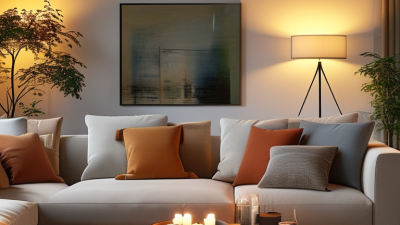
For bedrooms, living rooms, and dining areas, 2700–3000 K usually creates a warm residential atmosphere. It resembles late-afternoon sunlight and softens wood, cream walls, and fabric textures. The Illuminating Engineering Society describes lower correlated color temperatures as visually warmer, while CIE 015:2018 provides the technical framework for measuring color appearance.
Warm light can also support a calmer evening routine. However, 2700 K may make white surfaces appear yellow. A kitchen with warm light can feel pleasant, yet food preparation may need clearer illumination. The U.S. Department of Energy reports that LED lighting uses at least 75% less energy than traditional incandescent lighting. Efficiency matters, but comfort still depends on placement, brightness, and glare control. I have seen rooms feel wrong despite using the “correct” temperature. The fixture position was the real problem.
Tips
Use 2700 K beside beds and sofas. Try 3000 K in kitchens, bathrooms, and work areas. Check samples against your walls at night. Choose a high color-rendering index when colors matter. Do not rely on package numbers alone; dimming performance can vary. A small mistake is normal. Lighting often needs adjustment after real daily use.
Check Color Rendering: Choose CRI 80+ for Most Home Applications
How to Choose the Best Lighting at Home?
Good home lighting should reveal colors accurately, not merely make a room bright. Check the Color Rendering Index, or CRI, before choosing bulbs. A CRI of 80 or higher suits most bedrooms, hallways, kitchens, and living rooms. Higher CRI can make painted walls, vegetables, skin tones, and clothing appear more natural. In my experience, a kitchen light with poor rendering can make fresh food look dull or slightly gray. That small difference affects how comfortable the room feels.
Tips: Use CRI 90+ near mirrors, wardrobes, artwork, and detailed work areas. Compare a bulb’s light with daylight near a window. Warm light around 2700K often feels calm, while 3000K can look cleaner in kitchens. Do not judge CRI alone. Brightness, beam angle, glare, and color temperature also matter. A high-CRI bulb may still feel harsh when aimed directly at eye level.
Test lighting in the actual room for several evenings. Wall colors and glossy surfaces can change the result. Keep packaging and receipts when possible. Specifications are useful, but real rooms can disagree. I once expected a neutral lamp to suit a reading corner, yet its cool tone made the space feel clinical. That mistake reminded me to test before installing several fixtures. Small changes help: lower the fixture, soften the shade, or add a second light source.
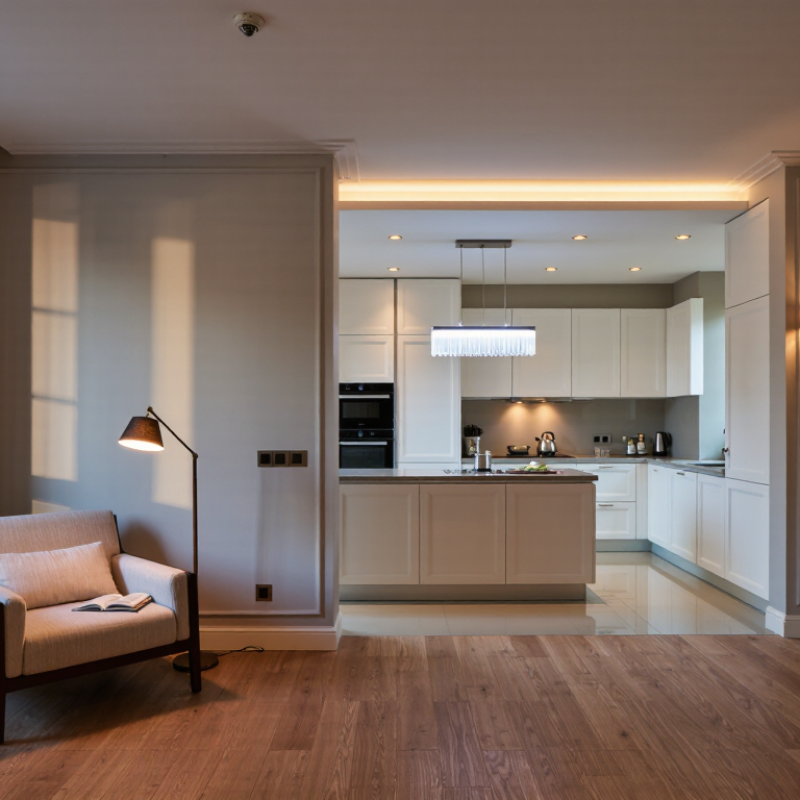
Layer Ambient, Task, and Accent Lighting to Control Glare and Shadows
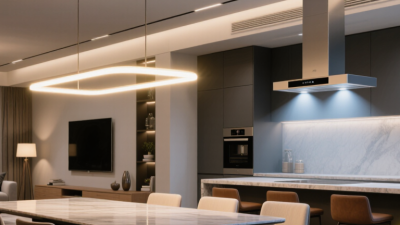
Good home lighting works in layers, not from one bright ceiling fixture. Ambient light sets the room’s general level. A ceiling fixture, recessed lights, or bounced light from a wall can provide it. Choose diffused sources where possible. Bare bulbs often create hard shadows and uncomfortable glare, especially above a dining table.
Task lighting should reach the spot where work happens. Place an adjustable lamp beside a reading chair, or under-cabinet lights over a kitchen counter. Aim the beam at the page or work surface, not toward your eyes. Check the result while seated and standing; a lamp that feels comfortable from one angle may shine directly into your face from another. Small adjustment, big difference.
Accent lighting adds depth and helps guide attention. A lamp washing light across a textured wall can soften its shadows, while a low-level light near a hallway can make evening movement easier. Keep these layers on separate switches or dimmers, so you can lower ambient light and keep useful task light. Warm light may feel restful, but it can make some colors look different. Test bulbs in the room before settling on them. I still find that a setup that looks balanced at noon can feel oddly harsh after dark, so live with it for a few evenings and adjust.