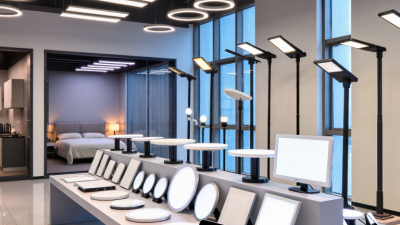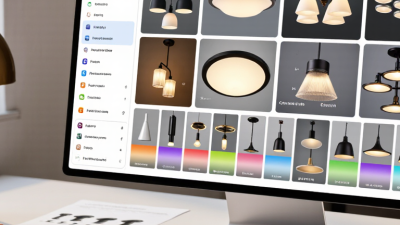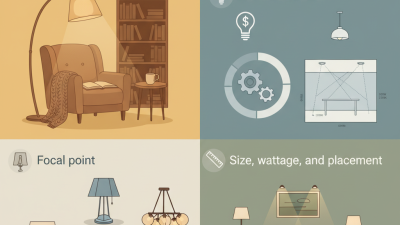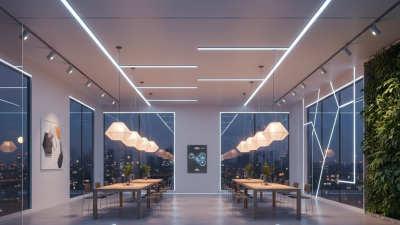


Choosing the right lighting products is no longer a simple matter of brightness, color, or price. Lighting affects energy use, visual comfort, safety, productivity, and long-term maintenance. A kitchen pendant may look attractive in a showroom, yet create harsh shadows over a worktop. A warehouse fixture may save energy but fail in dusty or humid conditions.
Reliable decisions should begin with evidence. The U.S. Department of Energy reports that LED bulbs use at least 75% less energy than incandescent bulbs. They can also last up to 25 times longer. ENERGY STAR adds that certified lighting products are tested for efficiency, performance, and quality. These figures matter when estimating replacement costs over several years. The International Energy Agency’s Energy Efficiency 2023 report also identifies efficient lighting as a proven opportunity for reducing electricity demand.
But specifications can mislead. A high lumen number does not guarantee comfortable light. Color temperature, color rendering, beam angle, glare control, dimming compatibility, and operating environment deserve equal attention. Check the product label, warranty, photometric data, and certification details. Then compare performance under real conditions.
The cheapest fixture is not always the cheapest choice. That lesson is easy to ignore. A fitting with poor heat management may dim, discolor, or fail earlier than expected. Installation quality matters too. These ten practical tips for choosing lighting products will connect technical data with everyday experience, helping buyers select solutions that are efficient, durable, comfortable, and suitable for their spaces. Some choices still involve compromise. That is worth admitting.
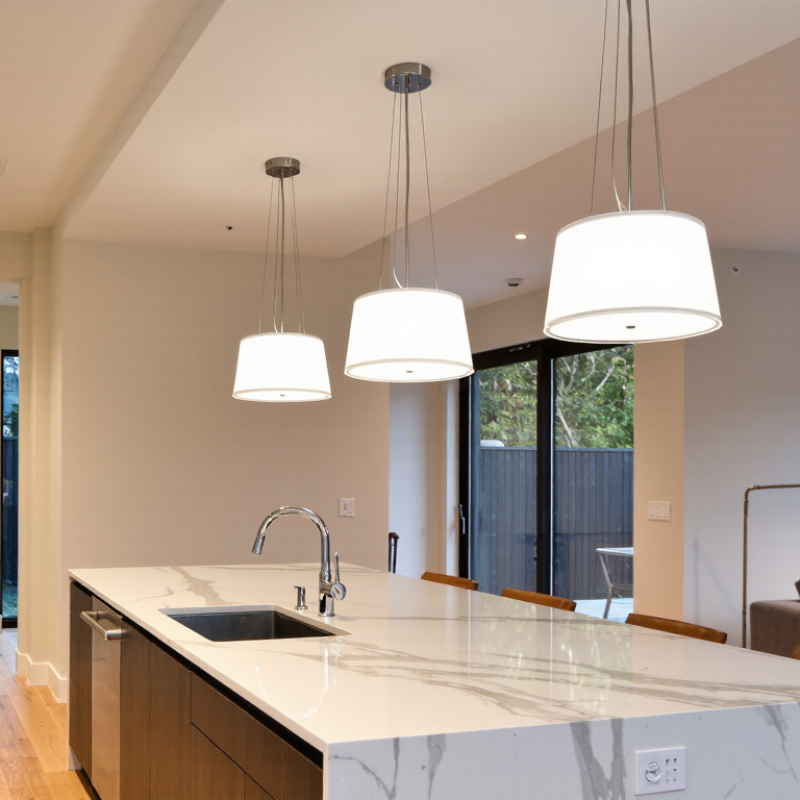
Choosing lighting begins with a clear purpose, not a fixture photograph. Ask what people will do in the space. Reading, cooking, product inspection, and relaxing require different light levels. A kitchen worktop may need focused task lighting, while a hallway needs safe, even illumination. Write each requirement down before shopping. It prevents attractive but unsuitable purchases.
Measure the room’s length, width, and ceiling height. Note dark surfaces, windows, and areas blocked by cabinets. These details affect brightness and shadow. Choose output in lumens rather than wattage alone. For detailed work, a higher color rendering index can help colors appear more natural. Warm light often supports relaxation, while cooler light may improve alertness. However, cooler light can feel harsh in a quiet bedroom. I once overlooked that comfort factor.
Check whether the product supports dimming, replacement parts, and the existing electrical system. Wet or dusty locations may require suitable ingress protection. A qualified electrician should review fixed wiring and installation conditions. Test a sample in the actual room for several hours. Morning daylight can hide problems that appear at night. Watch for glare on screens, sharp shadows, and reflected brightness on polished surfaces. A simple trial may expose an incorrect color temperature or insufficient coverage. Requirements can change after furniture moves, so leave some flexibility in the layout.
| Tip | Lighting Purpose | Typical Application | Recommended Illuminance | Suggested Color Temperature | Color Rendering | Product Requirements |
|---|---|---|---|---|---|---|
| 1 | General ambient lighting | Living rooms, corridors, hotel lounges | 100–300 lux | 2700–3500 K | CRI 80+ | Select evenly distributed fixtures with comfortable brightness and low glare. |
| 2 | Reading and detailed visual tasks | Reading desks, study areas, libraries | 300–500 lux | 3000–4000 K | CRI 80+ | Use an adjustable task light with directional control, stable output, and minimal shadowing. |
| 3 | Food preparation | Residential and commercial kitchens | 300–500 lux | 3500–4500 K | CRI 80–90+ | Choose sealed, easy-to-clean fixtures with good task coverage and accurate food colors. |
| 4 | Product display | Retail shelves, showrooms, galleries | 500–1000 lux | 3000–4000 K | CRI 90+ | Use accent fixtures with suitable beam angles, precise aiming, and high color fidelity. |
| 5 | Office and computer work | Open-plan offices, meeting rooms | 300–500 lux | 3500–5000 K | CRI 80+ | Prioritize low-glare optics, uniform illumination, flicker control, and compatibility with screens. |
| 6 | Hospitality and relaxation | Restaurants, bedrooms, reception areas | 100–300 lux | 2200–3000 K | CRI 80+ | Select dimmable products that create layered, warm, and visually comfortable lighting. |
| 7 | Outdoor circulation and safety | Walkways, entrances, parking areas | 10–50 lux | 2700–4000 K | CRI 70–80+ | Check ingress protection, impact resistance, uniform coverage, and appropriate glare control. |
| 8 | Bathroom and damp-area lighting | Bathrooms, changing rooms, spa areas | 200–500 lux | 3000–4000 K | CRI 80+ | Verify the required IP rating, use moisture-resistant construction, and avoid harsh facial shadows. |
| 9 | Energy-efficient operation | Large facilities, warehouses, common areas | 100–300 lux | 3500–5000 K | CRI 80+ | Compare lumens per watt, rated life, maintenance needs, controls, and expected operating hours. |
| 10 | Flexible and future-ready lighting | Multi-use rooms, retail environments, smart buildings | 200–750 lux | 2700–5000 K | CRI 80–90+ | Consider dimming, tunable white, occupancy sensors, daylight response, and easy reconfiguration. |
Note: Illuminance values are typical planning ranges. Final requirements should be verified against the specific task, room geometry, local regulations, and applicable lighting standards.
10 Tips for Choosing the Right Lighting Products
Light quality affects visual comfort, task accuracy, and the room’s perceived size. Start with the task, not the fixture. Kitchens, workshops, and study desks need controlled glare and clear color rendering. The Illuminating Engineering Society recommends using color metrics such as CRI and TM-30 during evaluation. CRI alone can hide weak performance in specific color ranges. Look for balanced results, not impressive packaging language.
Color temperature should match the room’s purpose and materials. Warm light around 2700–3000 K suits bedrooms, restaurants, and timber interiors. Neutral light near 3500–4000 K often works better in offices and bathrooms. Cooler light can support detailed work, but it may make white walls feel harsh. I have sometimes chosen a cooler lamp for “clarity” and regretted it at night. Test samples beside the actual flooring, cabinets, and wall paint.
Brightness should be measured in lumens, not watts. The U.S. Department of Energy reports that LED lighting can use at least 75% less energy than incandescent lighting and last much longer. Use layered lighting: ambient light for movement, task light for precision, and low-level accent light for depth. Dimming adds flexibility, especially when daylight changes. The International Energy Agency estimates lighting represents about 15% of global electricity consumption, so efficient products matter. Still, excessive brightness wastes energy and creates glare. Calibration is rarely perfect.
Match light quality, color temperature, and brightness to the space
The chart shows common target illuminance ranges in lux. Actual requirements depend on room finishes, task precision, daylight, glare control, and applicable local standards.
Choosing the right lighting product requires more than comparing wattage. Check lumens, watts, and lumens per watt together. A bright lamp can still waste energy. Look for efficient performance at the brightness your room actually needs.
I test samples in the intended space, not only in a showroom. A kitchen light should reveal food colors clearly, so a high color rendering index matters. Check the stated color temperature too. Warm light suits bedrooms, while cooler light can support detailed work. Watch for flicker, especially when filming or working near moving machinery. It may cause discomfort, even when the eye barely notices it.
Lifespan claims need careful reading. They often assume limited daily use and ideal temperatures. Heat trapped inside a sealed fixture can shorten service life. Review the rated hours, switching cycles, operating temperature, and replacement process. A product with a longer lifespan may cost more initially, but fewer replacements can reduce waste and labor.
I once chose a cheaper light for a hallway, and its uneven brightness became irritating within months. That mistake reminded me to measure light distribution, not just price. Keep the test honest. Use the same room, distance, and operating time when comparing products. Check performance after several hours, when heat may change brightness.
10 Tips for Choosing the Right Lighting Products
Good lighting starts with compatibility, not appearance. Check the product’s voltage, frequency, socket type, and maximum wattage before buying. A fitting that looks perfect may still fail with an existing dimmer or control system. Confirm whether the lamp supports dimming, smart controls, or motion sensors. Read the technical sheet, not only the package label.
Safety standards deserve equal attention. Look for recognized conformity marks and clear testing information for your region. For bathrooms, balconies, and kitchens, verify the correct IP rating for moisture exposure. Check heat clearance around recessed fixtures and keep insulation away when the instructions require ventilation. Never ignore unusual buzzing, flickering, or excessive heat.
Installation needs can change the total cost. Measure the ceiling opening, junction box position, cable length, and available mounting space. Heavy fixtures may need reinforced supports. Some installations require special tools or a qualified electrician. I once underestimated the time needed to align several ceiling lights, and the final spacing looked uneven. That mistake taught me to mark every position before drilling. Keep the instructions nearby, and inspect all connections before restoring power. A safer choice is not always the brightest one.
Choosing lighting products should begin with total cost, not the shelf price. The U.S. Department of Energy reports that LED lighting uses at least 75% less energy than incandescent lighting and can last up to 25 times longer. That difference matters in a hallway, warehouse, or shop operating for twelve hours daily. Calculate watts, operating hours, electricity rates, replacement labor, and disposal costs. A cheap fixture may become expensive after repeated failures.
Maintenance needs deserve equal attention. Check rated life, lumen maintenance, driver replaceability, cleaning access, and warranty terms. A ceiling-mounted fixture requiring scaffolding can turn a simple lamp change into a costly service visit. The Illuminating Engineering Society recommends evaluating maintained illuminance, not only initial brightness. Dust, heat, and poor ventilation can reduce useful output. Small details matter.
Controls can improve long-term value, but only when staff understand them. DOE research shows that occupancy sensors and daylight controls can reduce lighting energy use in suitable spaces, although results vary by building behavior. I have seen controls installed well but disabled after confusing false shutoffs. That is a useful warning. Compare five-year ownership costs, then inspect the installation environment. Better efficiency is not automatically better value. Reliability, service access, visual comfort, and realistic maintenance plans should influence the final choice.