


Ultraviolet light is invisible energy from the electromagnetic spectrum. It sits beyond violet light, with shorter wavelengths than visible light. Sunlight is its most familiar source, but specialized lamps also produce it. Scientists commonly divide ultraviolet light into UVA, UVB, and UVC bands. Each band behaves differently and affects living tissue in different ways.
UVA reaches deeper into skin and contributes to premature skin aging. UVB causes sunburn and plays a role in vitamin D production. UVC has stronger germicidal potential, although natural UVC from the sun rarely reaches Earth’s surface. Hospitals, laboratories, water systems, and manufacturers may use controlled ultraviolet sources. Some devices help disinfect air, surfaces, or equipment. Others cure inks, coatings, and dental materials.
The details matter.
Ultraviolet light is not automatically safe because it looks clean or modern. Exposure can injure skin and eyes, sometimes without immediate pain. Effectiveness also depends on wavelength, intensity, distance, exposure time, and surface conditions. Shadows, dust, and incorrect placement may reduce disinfection. Reliable guidance from health authorities and product testing standards should shape safe decisions. This article explains the science, practical uses, benefits, and limitations of ultraviolet light in clear terms. It also separates proven applications from attractive claims that deserve more evidence. The subject seems simple at first. It is not. Even familiar sunlight can produce different risks across seasons, locations, skin types, and exposure habits. A careful understanding supports better choices at home, at work, and in professional settings.
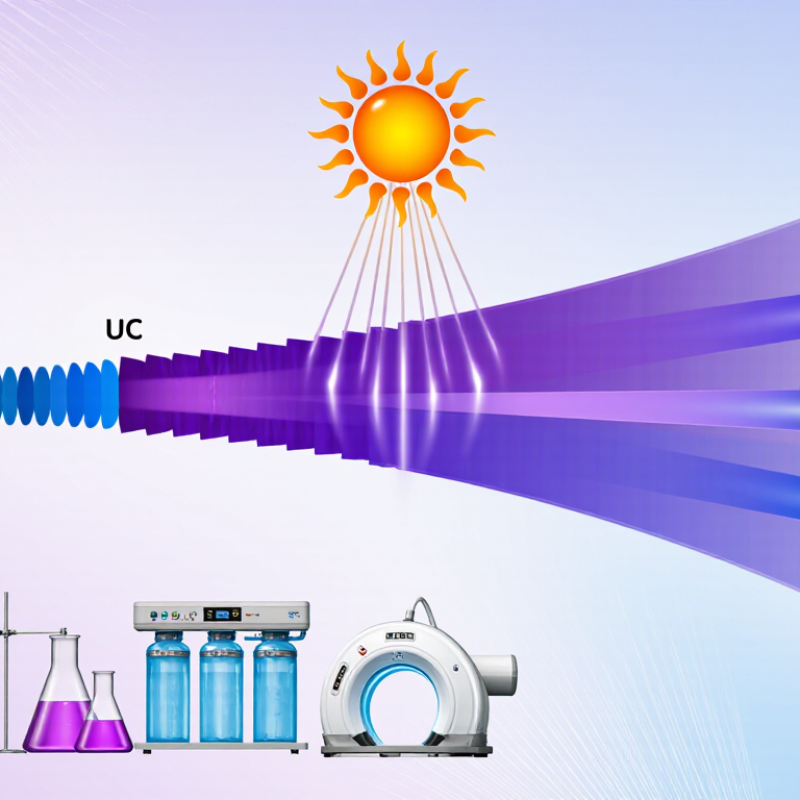
Ultraviolet light is invisible electromagnetic radiation spanning 100–400 nanometers. This range sits beyond violet visible light, yet it carries more energy than visible wavelengths. Scientists commonly divide it into UVC, UVB, and UVA. UVC covers 100–280 nanometers, UVB covers 280–315, and UVA covers 315–400. These boundaries are practical, not absolute. Nature is less tidy.
Each band behaves differently. UVC is strongly absorbed by air and biological materials, so controlled UVC sources can reduce microorganisms on exposed surfaces. UVB helps the skin produce vitamin D, but excessive exposure can cause sunburn and cellular damage. UVA penetrates deeper into skin and contributes to premature aging. Ultraviolet radiation also supports laboratory analysis, some medical treatments, industrial curing, and fluorescent inspection. However, a wavelength alone cannot predict every effect. Exposure time, intensity, distance, and surface conditions matter greatly.
Tips: Never look directly at an ultraviolet source. Use certified eye and skin protection, and follow measured exposure limits. Keep reflective materials in mind; polished metal and some liquids can redirect radiation unexpectedly. A covered surface may also remain contaminated if light cannot reach it. For reliable decisions, consult trained safety professionals and verified technical data. Small mistakes matter.
| UV Band | Wavelength | Approx. Photon Energy | Natural Sources and Penetration | Common Uses | Main Biological Considerations |
|---|---|---|---|---|---|
| UVA | 315–400 nm | 3.10–3.94 eV | Reaches Earth’s surface in substantial amounts. It penetrates farther into the skin than UVB and can pass through ordinary window glass to varying degrees. | Phototherapy, fluorescence and inspection, forensic examination, curing selected resins and coatings, and scientific optical instruments. | Contributes to skin aging, tanning, and indirect DNA damage. Prolonged exposure can increase skin-cancer risk. |
| UVB | 280–315 nm | 3.94–4.43 eV | Mostly absorbed by the atmosphere, although a portion reaches the surface. It is absorbed primarily by the outer layers of the skin. | Controlled phototherapy, laboratory research, and measurement of atmospheric and biological responses to ultraviolet radiation. | Causes sunburn and direct DNA damage. It supports vitamin D production in the skin but can also increase skin-cancer risk. |
| UVC | 100–280 nm | 4.43–12.40 eV | Solar UVC is almost entirely absorbed by atmospheric oxygen and ozone, so naturally occurring surface exposure is very limited. Artificial sources can produce UVC. | Disinfection of air, water, and exposed surfaces; laboratory sterilization; and photochemical and semiconductor processes. Effectiveness depends on dose, distance, wavelength, and shadowing. | Can injure skin and eyes, including painful eye inflammation. Direct exposure should be avoided, and protective controls are required. |
| Far-UVC | Typically 200–230 nm | 5.39–6.20 eV | A short-wavelength region within UVC. It is strongly absorbed by air and biological materials, so its practical range and safety depend on the exact wavelength and exposure conditions. | Research and specialized air-disinfection applications under carefully controlled engineering and exposure conditions. | Safety depends on wavelength, dose, ozone generation, and exposure duration. It should not be assumed harmless without appropriate testing and controls. |
| Entire UV Range | 100–400 nm | 3.10–12.40 eV | Ultraviolet light is electromagnetic radiation shorter in wavelength than visible violet light and longer in wavelength than X-rays. | Medical phototherapy, fluorescence, chemical analysis, curing, imaging, environmental monitoring, scientific research, and disinfection. | UV exposure can damage DNA, eyes, and skin. Appropriate shielding, exposure limits, protective clothing, and eye protection depend on the wavelength and application. |
Note: Photon-energy values are approximate and calculated using E ≈ 1240 ÷ wavelength (nm). Ultraviolet bands may vary slightly among scientific, medical, and regulatory standards.

Ultraviolet light occupies wavelengths from 100 to 400 nanometers. The CIE divides it into UVA, UVB, and UVC.
UVA UVA spans 315–400 nanometers. It reaches deeper skin layers and contributes to photoaging.
UVB UVB covers 280–315 nanometers. It causes sunburn and supports vitamin D production.
UVC UVC ranges from 100–280 nanometers. The atmosphere blocks most natural UVC before it reaches ground level.
These bands behave differently in real settings. UVA is used in some curing and fluorescence processes. Controlled UVB can support medical phototherapy under professional supervision. UVC is used for air, water, and surface disinfection. However, direct exposure can damage eyes and skin within minutes. ICNIRP exposure guidelines define wavelength-dependent limits, rather than one universal safe dose. The WHO-WMO Global Solar UV Index recommends protection when the index reaches 3 or higher. Cloud cover can mislead people. UV still passes through thin clouds.
Tips: Check the UV Index before outdoor work. Use shade, tightly woven clothing, and certified eye protection. Never judge UVC safety by visible brightness; many UVC sources look dim or invisible. Keep lamps away from people and pets. Also, “germicidal” does not mean automatically effective. Dose, distance, exposure time, and surface coverage all matter. A laboratory rating may not match a dusty room, and that is worth questioning.
Ultraviolet light is invisible energy from the sun and some artificial sources. UVA reaches deeper skin layers and contributes to wrinkles, uneven pigmentation, and long-term DNA damage. UVB affects the surface more strongly, causing sunburn and direct injury to skin cells. Both types can increase skin cancer risk. UVC is usually filtered by the atmosphere, but artificial UVC devices can harm exposed skin and eyes.
UV radiation can damage DNA by creating abnormal links between its building blocks. If cells repair this damage incorrectly, mutations may develop. Eyes are vulnerable too. Short, intense exposure can cause photokeratitis, which feels like grit beneath the eyelids. Repeated exposure may contribute to cataracts and other eye disorders. UV also has useful applications, including controlled disinfection, laboratory analysis, and some industrial curing processes. The benefit depends on accurate dosing and proper shielding. More exposure is not better.
Tips: Seek shade when sunlight is strongest, and use tightly woven clothing, a broad-brimmed hat, and UV-blocking eyewear. Apply broad-spectrum sunscreen to uncovered skin, then reapply after swimming or heavy sweating. Snow, water, and pale surfaces can reflect UV onto your face. A common mistake is trusting cool weather; UV can remain strong under thin clouds. No protection is perfect, and I sometimes underestimate reflected light near windows or beaches. Checking local UV levels is a small, practical habit.
Ultraviolet light is invisible radiation beyond violet light. UV-C, especially near 254 nanometers, is widely studied for germicidal disinfection. Its energy damages microbial DNA and RNA, preventing many bacteria, viruses, and fungi from reproducing. It can support air, water, and surface treatment in controlled settings. It leaves no chemical residue.
Effectiveness depends on dose, not wavelength alone. Dose combines light intensity and exposure time. Dust, stains, distance, and shadows can reduce delivery. A surface may look fully illuminated while hidden edges receive very little UV-C. This is an easy detail to underestimate. Professional systems should be tested with calibrated meters and documented operating conditions. Results also depend on the organism, humidity, lamp age, and the surface material.
Tips: Keep people and animals away from active UV-C sources unless the equipment is specifically designed for safe occupied use. Direct exposure can injure eyes and skin, sometimes before discomfort appears. Use shielding, interlocks, warning controls, and trained procedures. Check lamp output regularly, because aging can reduce performance without obvious visual changes. Avoid relying on odor, brightness, or a quick test. Those signs prove little. A careful assessment should confirm the required dose, coverage, maintenance schedule, and ventilation needs. Some UV-C sources may generate ozone, so the equipment’s technical documentation deserves close attention.
Ultraviolet light is electromagnetic radiation with wavelengths shorter than visible light. Photon energy increases as wavelength decreases. The 254-nanometer UV-C wavelength produces approximately 4.88 electron volts per photon and is widely used in germicidal applications to damage microbial DNA or RNA, preventing replication. Actual disinfection performance depends on dose, exposure time, distance, surface conditions, and shielding.
Ultraviolet light sits beyond the violet edge of visible light. It is invisible, but its effects are measurable. In medicine, carefully controlled UVB can support treatment for certain skin conditions. Medical teams adjust wavelength, dose, and exposure time for each patient. UVC can reduce microbes on surfaces and equipment, but only when no person is exposed. Safety procedures matter more than speed.
Industry uses UV energy to cure inks, coatings, adhesives, and selected polymers. A production line may harden a surface within seconds. Sensors must check lamp intensity because output declines with age. Uneven exposure can leave weak patches or uncured areas. This detail is easy to overlook. Workers still need shielding and protective eyewear.
Forensic specialists use UV lamps to reveal fluorescence, altered surfaces, and traces that ordinary lighting may hide. However, glowing evidence does not automatically prove its source. Cleaning products and natural materials can produce similar reactions. Careful documentation and laboratory testing remain essential. In astronomy, instruments above the atmosphere study hot stars, stellar explosions, and active galaxies through ultraviolet emissions. Earth’s atmosphere blocks much of this radiation, so telescopes need specialized detectors and calibration. Astronomical data can also contain noise, damaged pixels, or misleading signals. Interpretation is never purely visual.